


Workshop on Systematic Participatory Foresight Process
Organized by: RMMRU
Venue: Halda Hall, Hotel Shaikat, Chattogram.
Date: 24 August 2026
The Successful Intervention Pathways for Migration as Adaptation (SUCCESS) Project organized its second Participatory Foresight Workshop in Chattogram City on 24 August 2026, as part of a three-workshop series conducted in the migration destination area of Chattogram.
The workshop brought together approximately 20 participants, including representatives from Chittagong Development Authority (CDA), University of Chittagong, Premier University, Department of Women Affairs, District Social Services Office, District Relief and Rehabilitation Office, District Youth Development Office, Probashi Kallyan Bank, Chattogram Women Technical Training Center, Caritas, YPSA, Coast Foundation, volunteers, journalists, and migrants residing in Chattogram.
The workshop provided a structured, multi-stakeholder platform for examining future risks, emerging trends, and plausible scenarios likely to influence the lives of migrant communities and local adaptation pathways for Chattogram City. Through participatory foresight tools and evidence-informed discussions, participants reflected on the implications of climate-related mobility to Chattogram city,, local vulnerabilities, migrants' access to citizen services, and potential opportunities for adaptive planning. The process enabled diverse stakeholders to collaboratively explore how future uncertainties may shape migration as an adaptation strategy in Chattogram and identify locally relevant response options. The workshop generated important insights to inform future planning and programming for migrant communities and local adaptation initiatives.
The outcomes of this workshop support the SUCCESS Project’s ongoing efforts to promote forward-looking and inclusive approaches to migration as an adaptation strategy. These outcomes will also help inform the third workshop in Chattogram.
Media coverage:
The Business Standard: Click here to read the news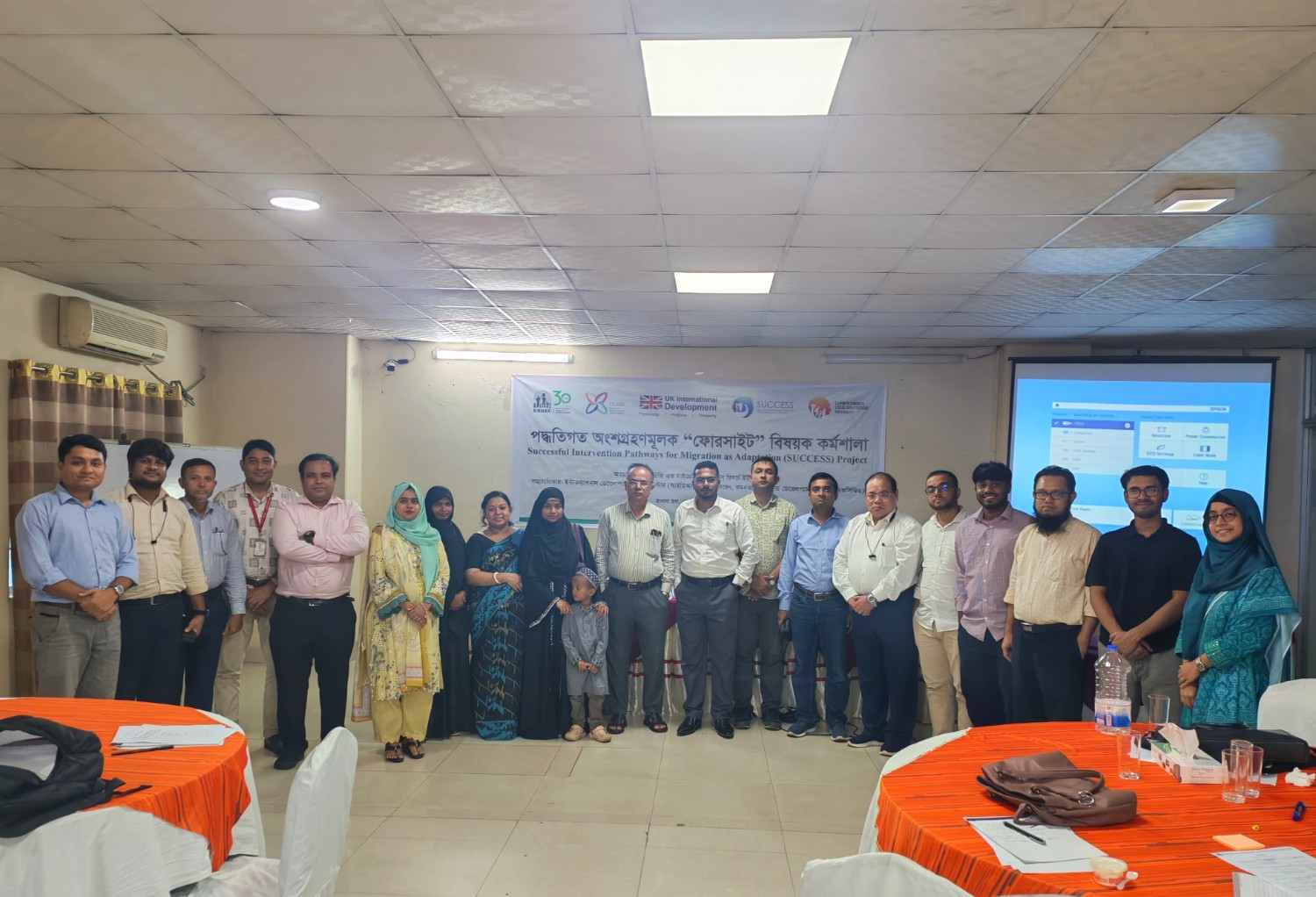
Workshop on Systematic Participatory Foresight Process
Organized by: RMMRU
Venue: Officers’ Club Hallroom, Banshkhali Sadar Upazila, Chattogram
Date: 23 August 2026
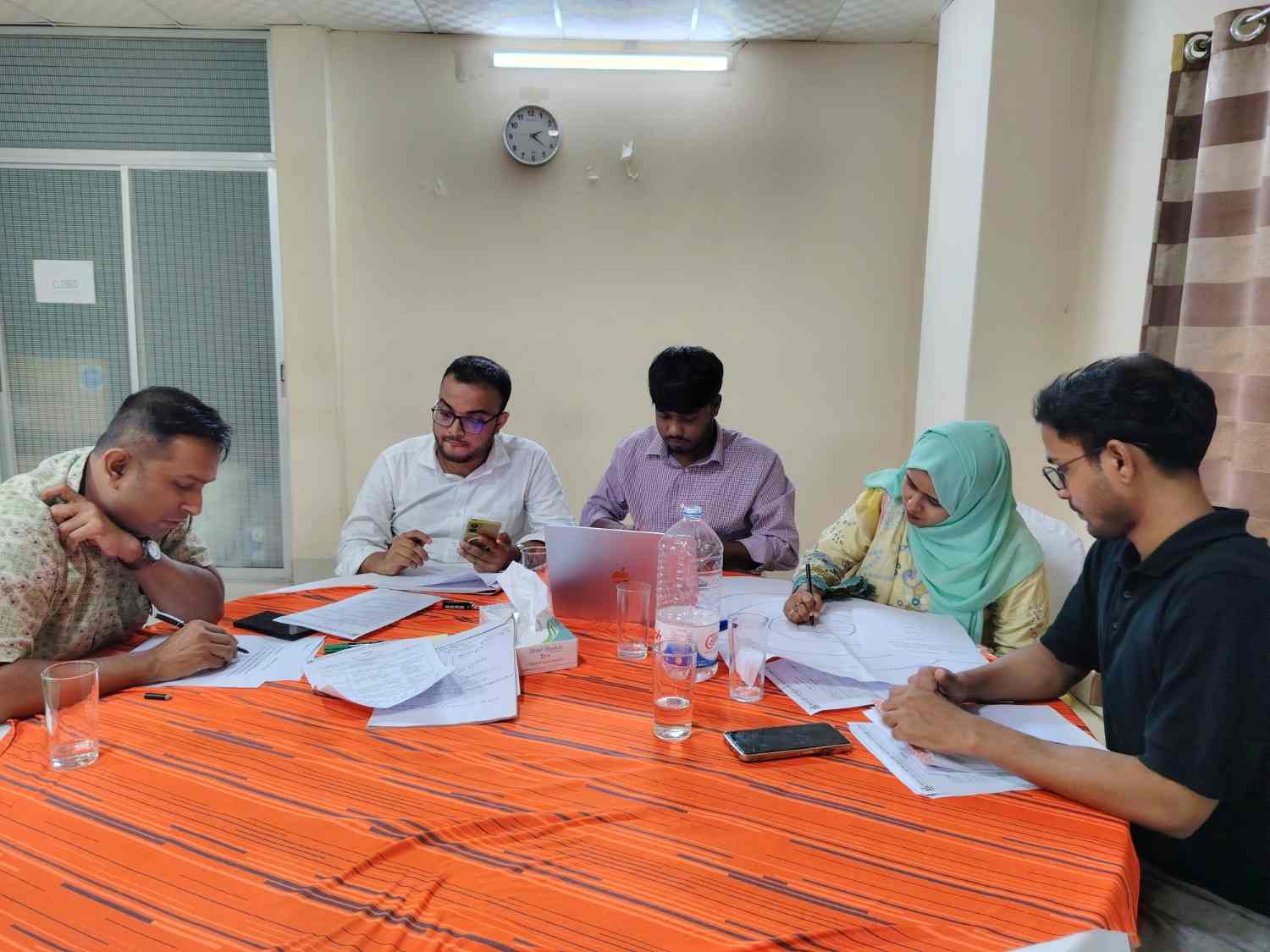
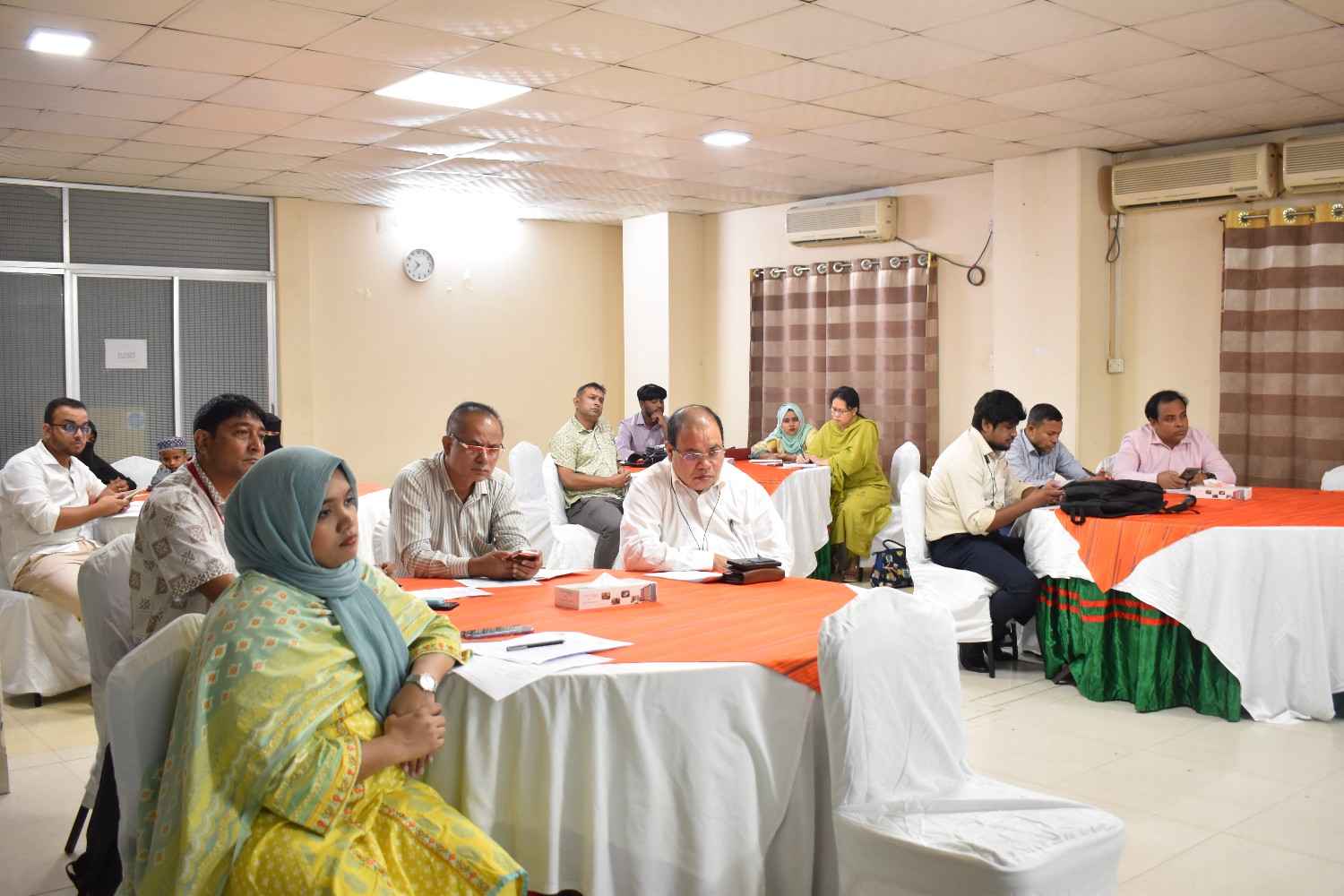
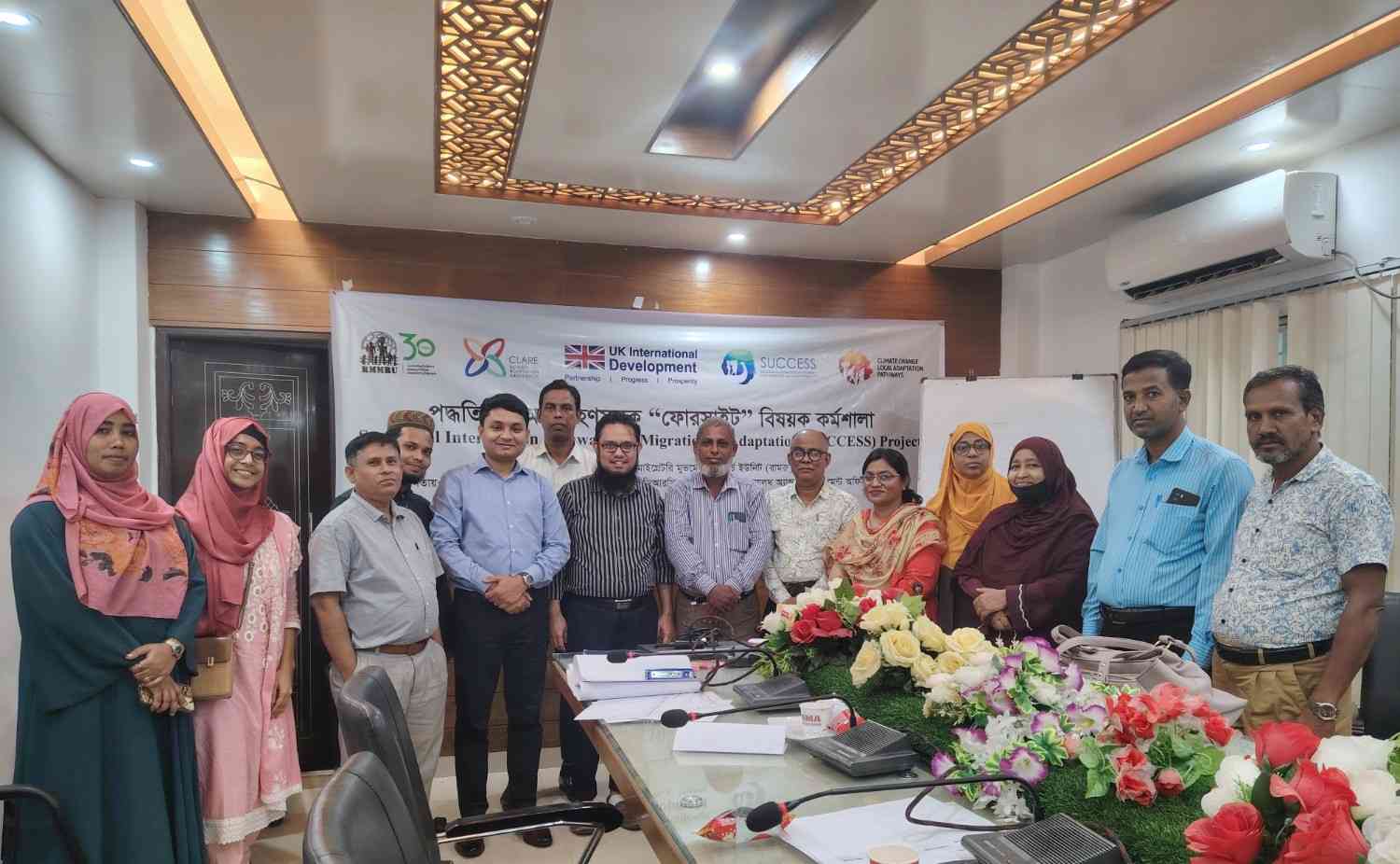
The Successful Intervention Pathways for Migration as Adaptation (SUCCESS) Project convened its third and final Participatory Foresight Workshop in Banshkhali Sadar Upazila, Chattogram, on 23 August 2026. This workshop marked the completion of the three-workshop participatory foresight series for Banshkhali Sadar Upazila
Building on the findings and discussions from the previous two workshops, the third workshop focused on translating the desired future identified through the foresight process into practical action pathways. Following a review of the outcomes of the second workshop, participants worked backward from the envisioned 2050 situation to identify the actions and changes required from the present time onwards to move towards future.
Through a series of structured group exercises and discussions, participants examined the types of changes necessary to implement the identified actions, including structural changes, improvements in relationships and coordination among stakeholders, and broader transformative changes. They further analyzed selected priority actions or packages of actions to clarify who would be affected, who would be responsible for implementation, which actors would influence decision-making, and what potential barriers could arise during implementation. The workshop also explored how to engage different stakeholders to advance these actions, considering their relative importance and influence.
Participants assessed the potential benefits, adverse effects, risks, trade-offs, and complementarities associated with the proposed actions. This process helped ensure that the identified pathways were not only desirable but also realistic, inclusive, and responsive to the interests and vulnerabilities of different groups.
The session also consolidated the learning generated across the three workshops into a more coherent understanding of how locally appropriate actions, institutional changes, stakeholder engagement, and implementation pathways can contribute to a desirable future in which migration can function more effectively as an adaptation strategy. The outcomes of the workshop contribute to the SUCCESS Project’s broader efforts to develop forward-looking, inclusive, and locally grounded intervention pathways for migration and climate adaptation.
Media Coverage:
1. Bhorer Darpan: Click here to read the news
2. Banshkhali Sanglap: Click here to read the news
3. Dainik Chattolar Khabor: Click here to read the news
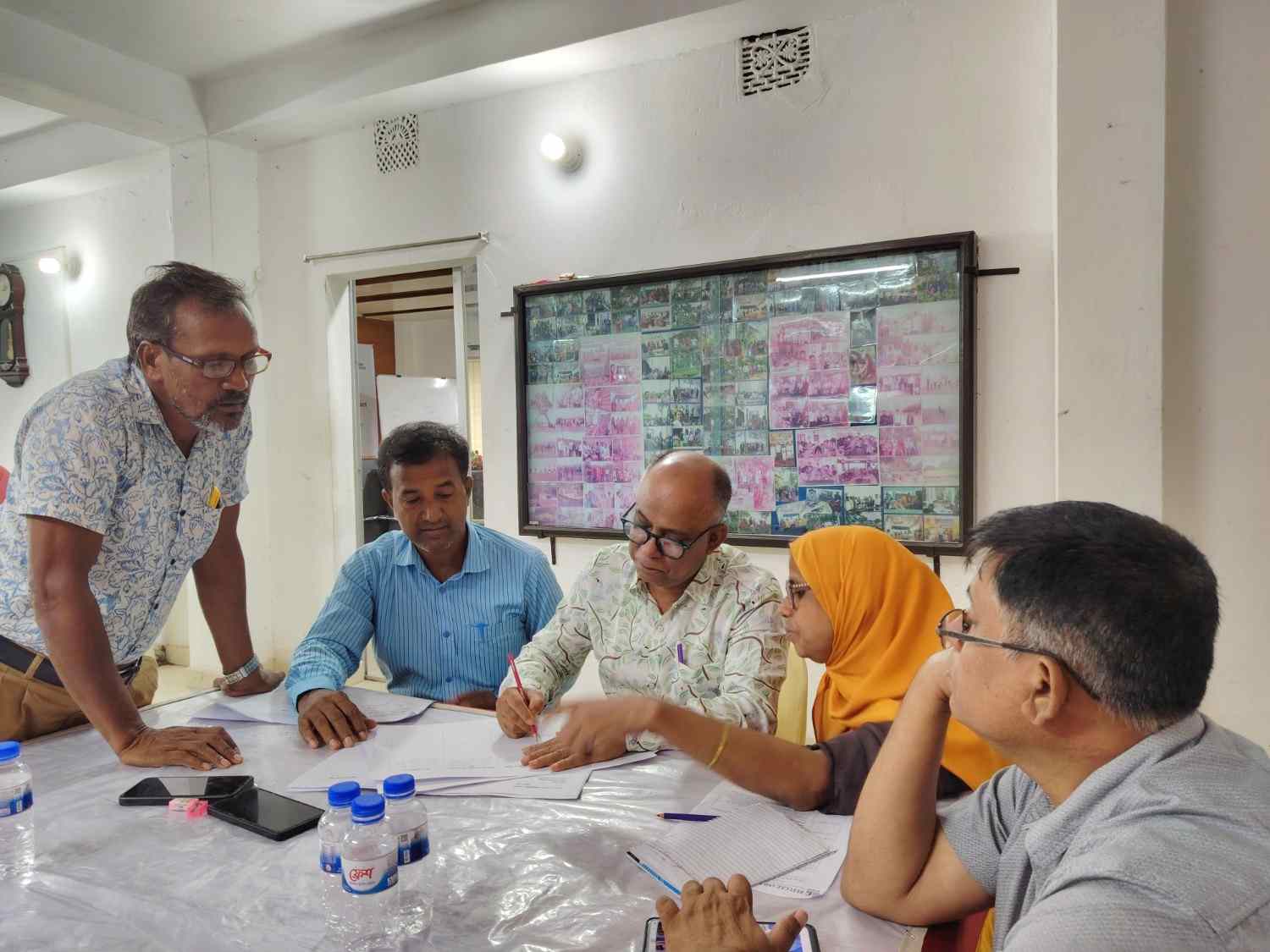
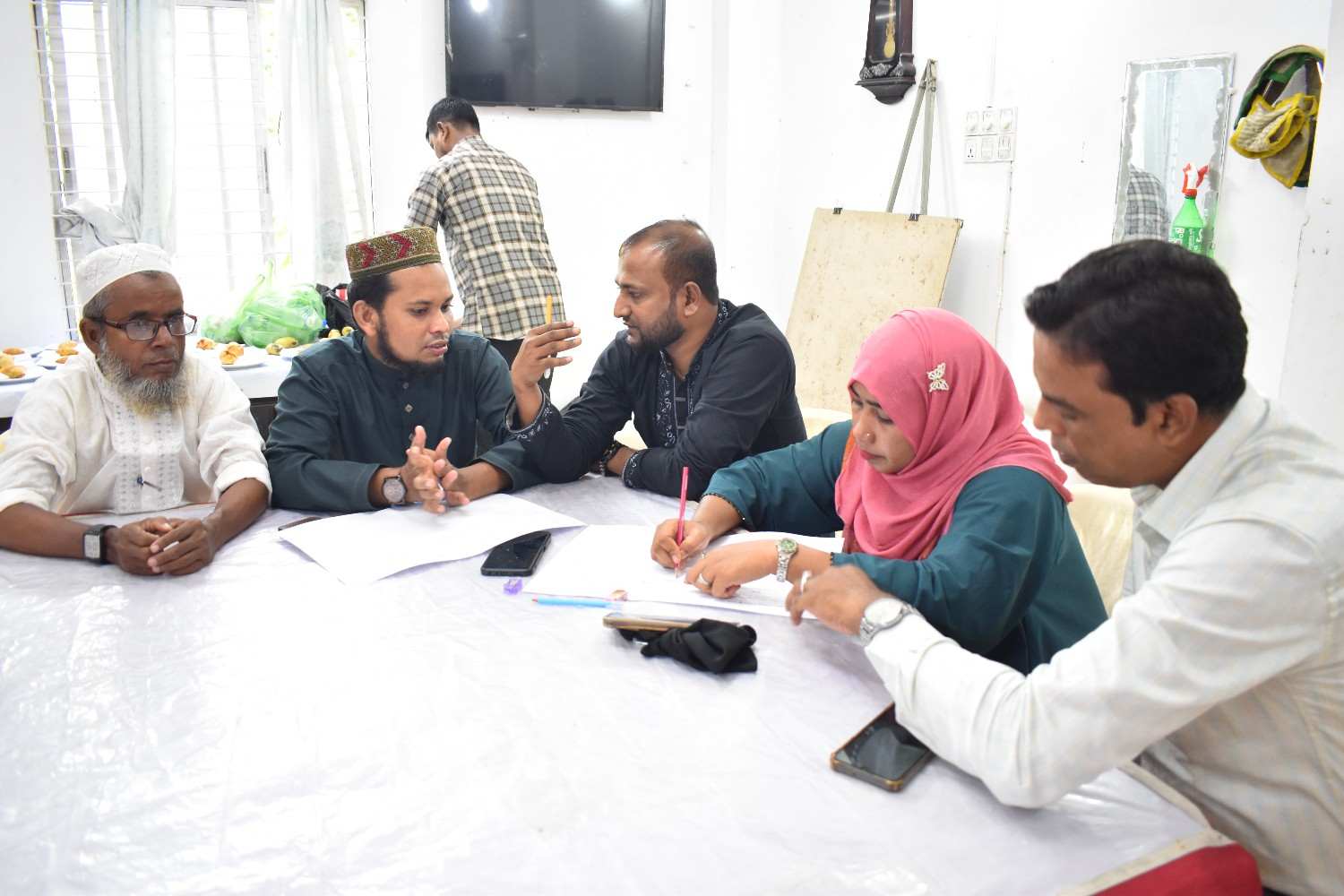
Participatory Training Workshop on Integrated Risk Analysis for the Development of a Local Adaptation Plan
Organized by: Refugee and Migratory Movements Research Unit (RMMRU)
Venue: Islamic Foundation Model Mosque, Naria Upazila, Shariatpur
Date: 17 and 18 August 2026
RMMRU organized a “Participatory Training Workshop on Integrated Risk Analysis for the Development of a Local Adaptation Plan” as the first Upazila-level workshop for the Promoting Anticipatory Action to Address Climate and Environment Risks for Community Transformation (PROAACT) Project on 17 and 18 August 2026 at Islamic Foundation Model Mosque, Naria Upazila, Shariatpur.
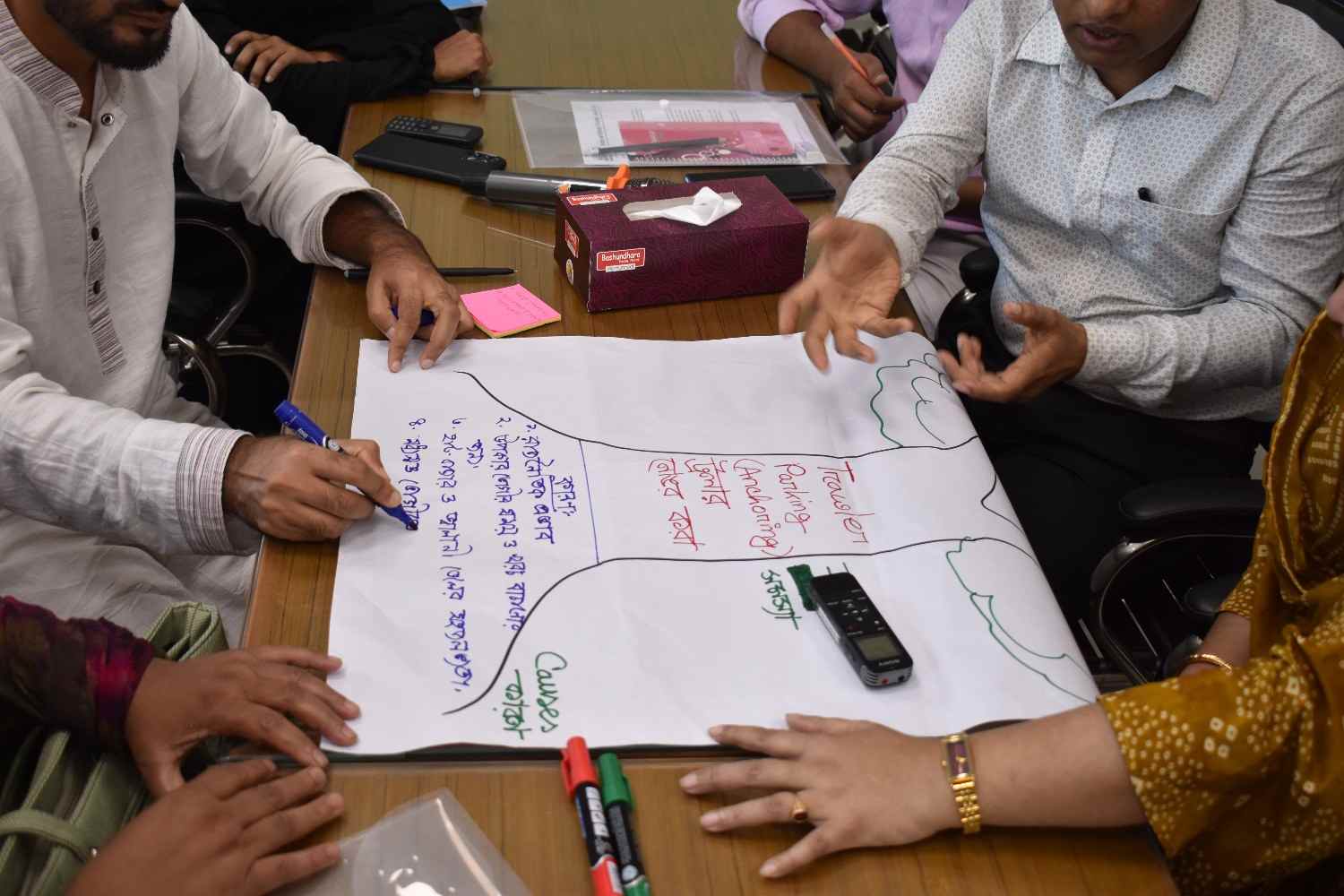
Forty-five participants from 11 Unions of Naria Upazila from different occupations and genders attended the workshop... The participants took a pre-test before the workshop and were divided into four groups to use the foresight participatory process for risk and conflict assessment of the Naria Upazila. At first, the “Data Walk” exercise was held. Each group visited all four stations and read the data about climate and natural calamities of Shariatpur district and Naria Upazlia. Then three groups were formed to do the STEEPLE Analysis, Issues Identification, Problem Tree Development, Actor Mapping, Conflict Analysis, and Visioning. After completing all these activities, the participants took a post-test, and their scores significantly improved following the workshop.
The three main issues identified by the local people were riverbank erosion, river dredging (sand collecting) and trawler parking (anchoring)., The major actors were the local government, businessmen, and local people, and different conflicts among them were identified by the participants. The workshop helped to identify major climate risks and conflicts which will help the project to develop the Locally Led Adaptation Plan and effective interventions for the Naria Upazila.
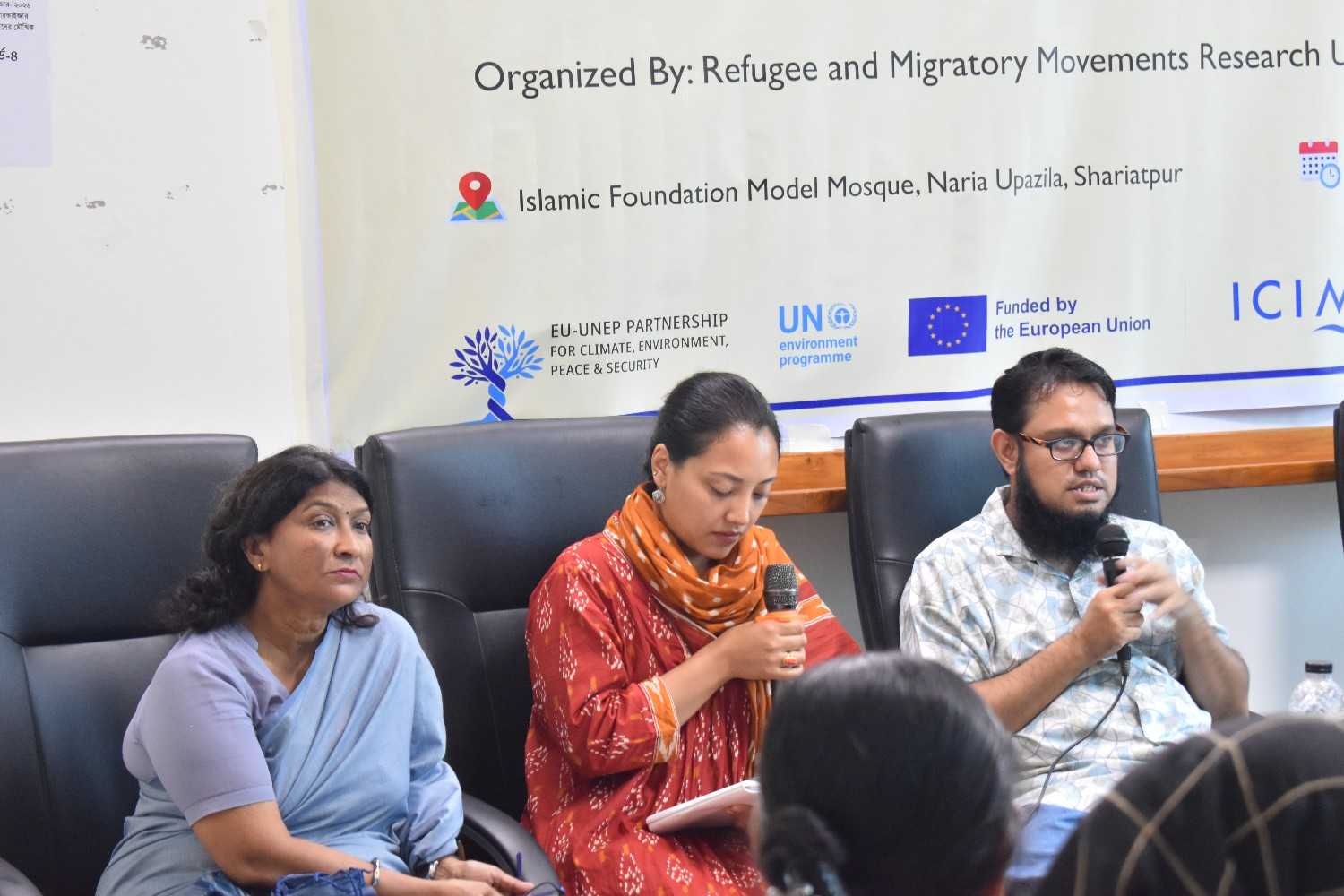
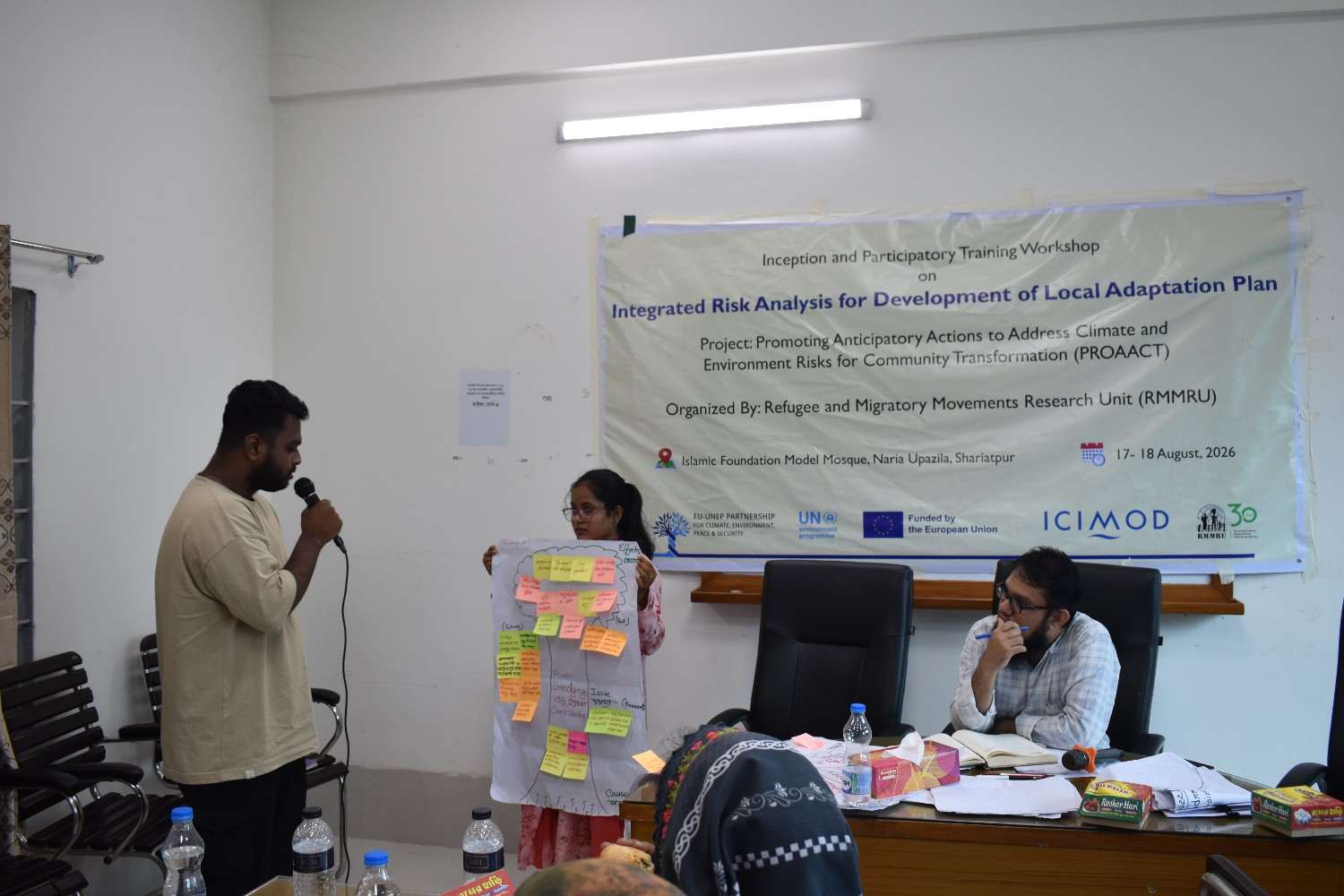
Inception Workshop on The Promoting Anticipatory Action to Address Climate and Environment Risks for Community Transformation (PROAACT) Project
Organized by: Refugee and Migratory Movements Research Unit (RMMRU)
Venue: Islamic Foundation Model Mosque, Naria Upazila, Shariatpur
Date: 17 August 2026
The Inception Workshop of the Promoting Anticipatory Action to Address Climate and Environment Risks for Community Transformation (PROAACT) Project was organized by RMMRU on 17 August 2026 at the Islamic Foundation Model Mosque, Naria Upazila, Shariatpur.
Forty-eight participants from 11 unions of Naria Upazila from different occupations including male and female attended the workshop. The participants included people from 11 Unions. The Chief Guest was the UNO of the Naria Upazila.. Then the PROAACT Team Members presented the project’s objectives, activities, planning, data collection processes, systemic participatory foresight tools for risk assessment, conflict analysis, Gender, Equality, and Social Inclusion (GESI) and safeguarding aspects, etc.
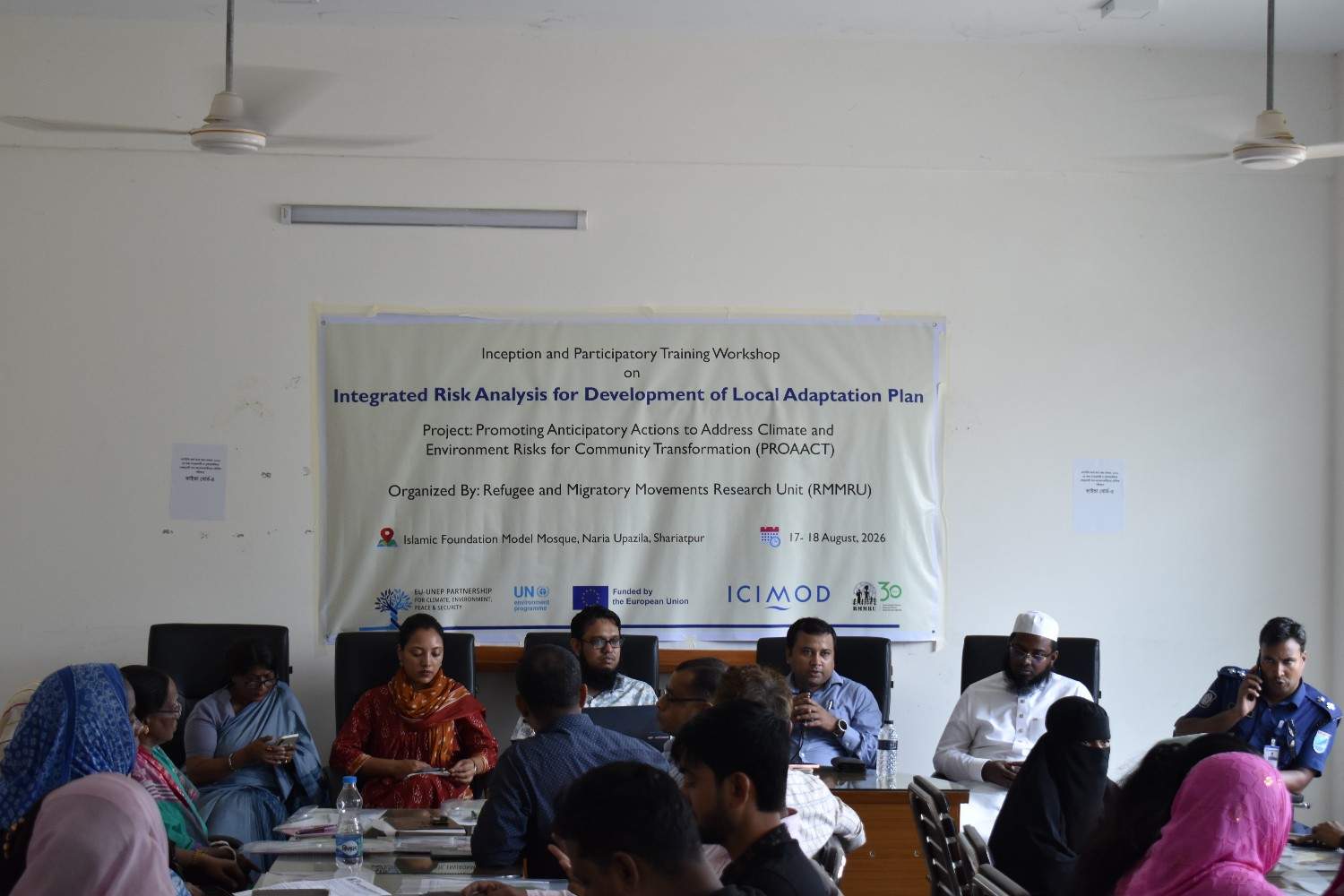
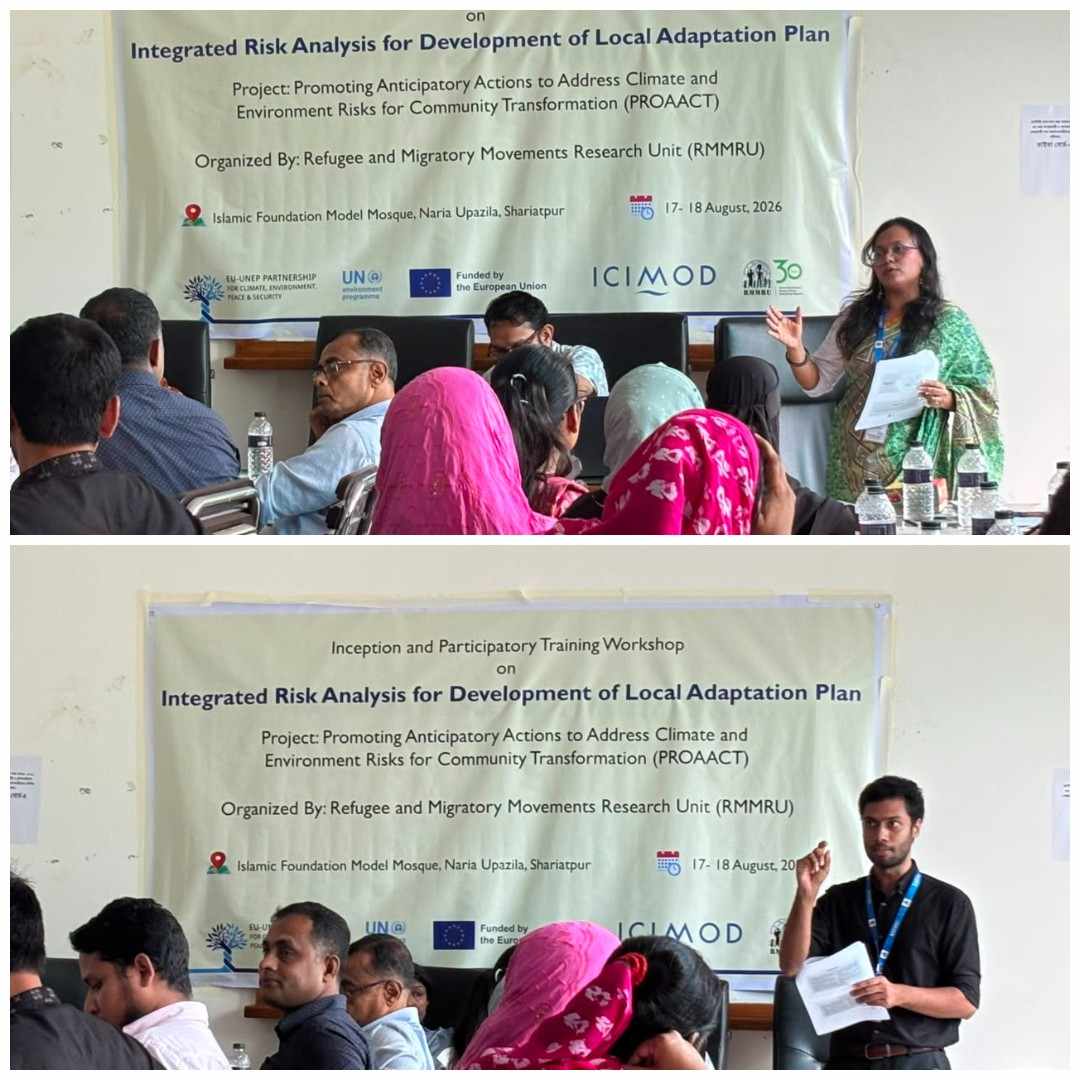
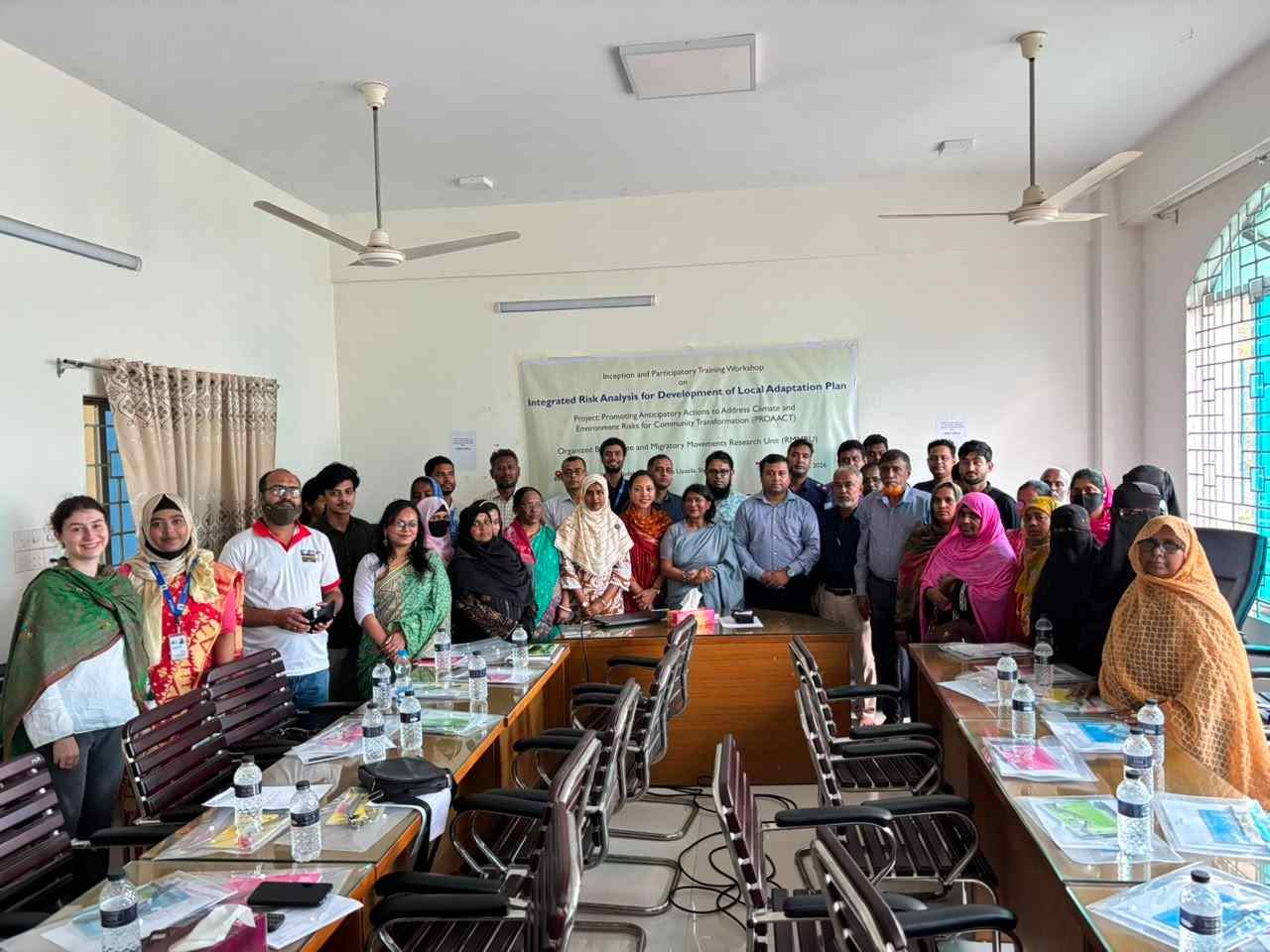
Social Cohesion and Community-Based Climate and Environmental Participatory Risk and Conflict Assessment
Organized by: Refugee and Migratory Movements Research Unit (RMMRU)
Venue: Union Parishad, Gharisar, Naria, Shariatpur
Date: 16 August 2026
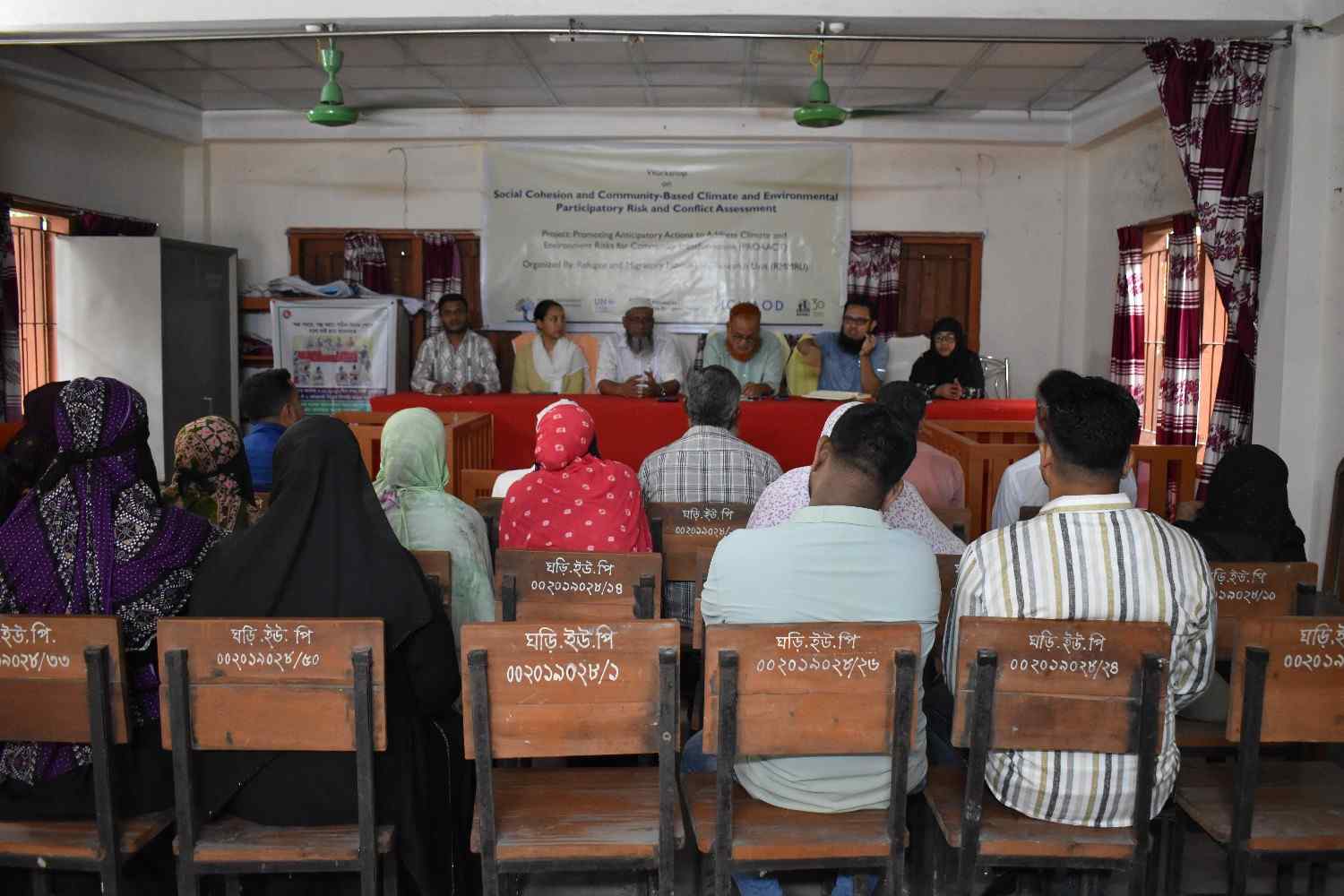
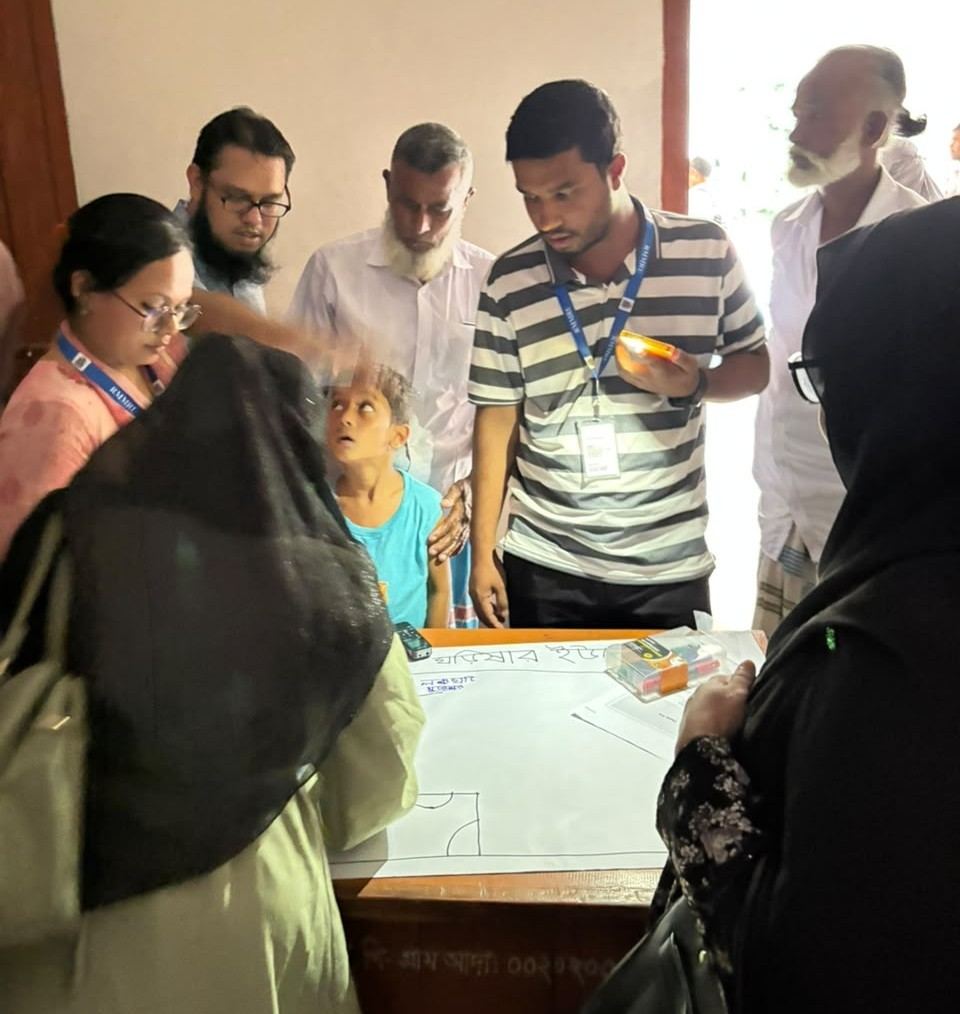
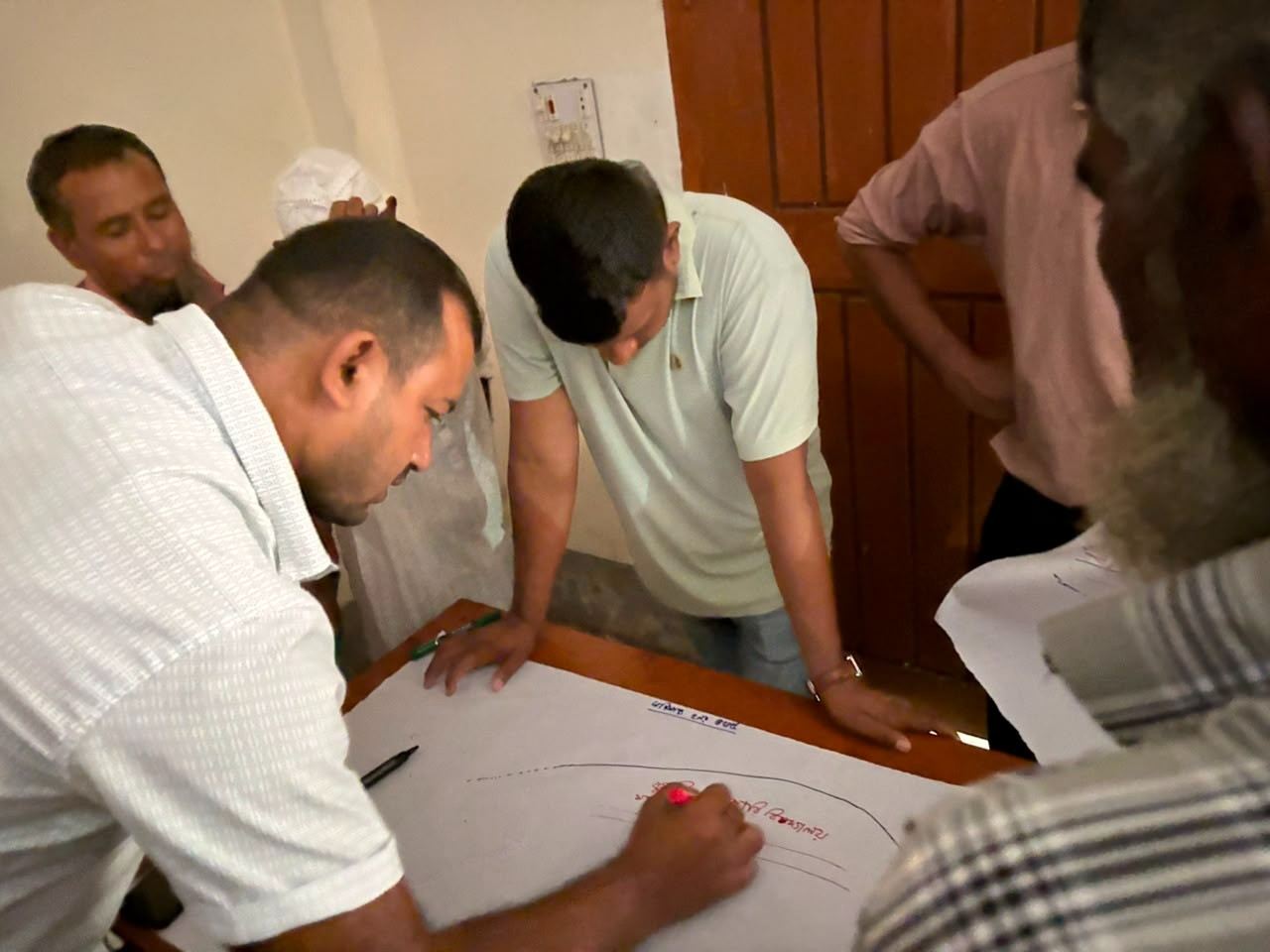
RMMRU organized a workshop on “Social Cohesion and Community-Based Climate and Environmental Participatory Risk and Conflict Assessment” on 16 August 2026 at Gahrisar Union Parishad, Naria Upazila, Shariatpur. It was the first Union-level workshop under the Promoting anticipatory action to address Climate and Environment Risks for Community Transformation (PROAACT) Project
Twenty-four participants from the local community of Gharisar Union attended the workshop. The participants included Union members, farmers, head teachers, businessmen, panel chairman, advocates, village police, journalists, and housewives who participated in the workshop.. The participants were divided into 2 groups and used the foresight participatory process for risk and conflict assessment of their union. Each Group drew a comprehensive picture of their union or upazila, identifying major resources, natural calamities, risk zones, areas most affected by natural calamities, and also the most affected people. Each group also selected 2 major issues of their unions and drew a problem tree, from where they identified the main causes and effects of the issues. Then participants completed a visioning activity by drawing a picture of their union they would like to see after 15 years.
Staff Orientation and Capacity Development Workshop under the PROAACT Project
Organized by: Refugee and Migratory Movements Research Unit (RMMRU)
Venue: Fars Hotel & Resort, Dhaka
Date: 29 July 2026
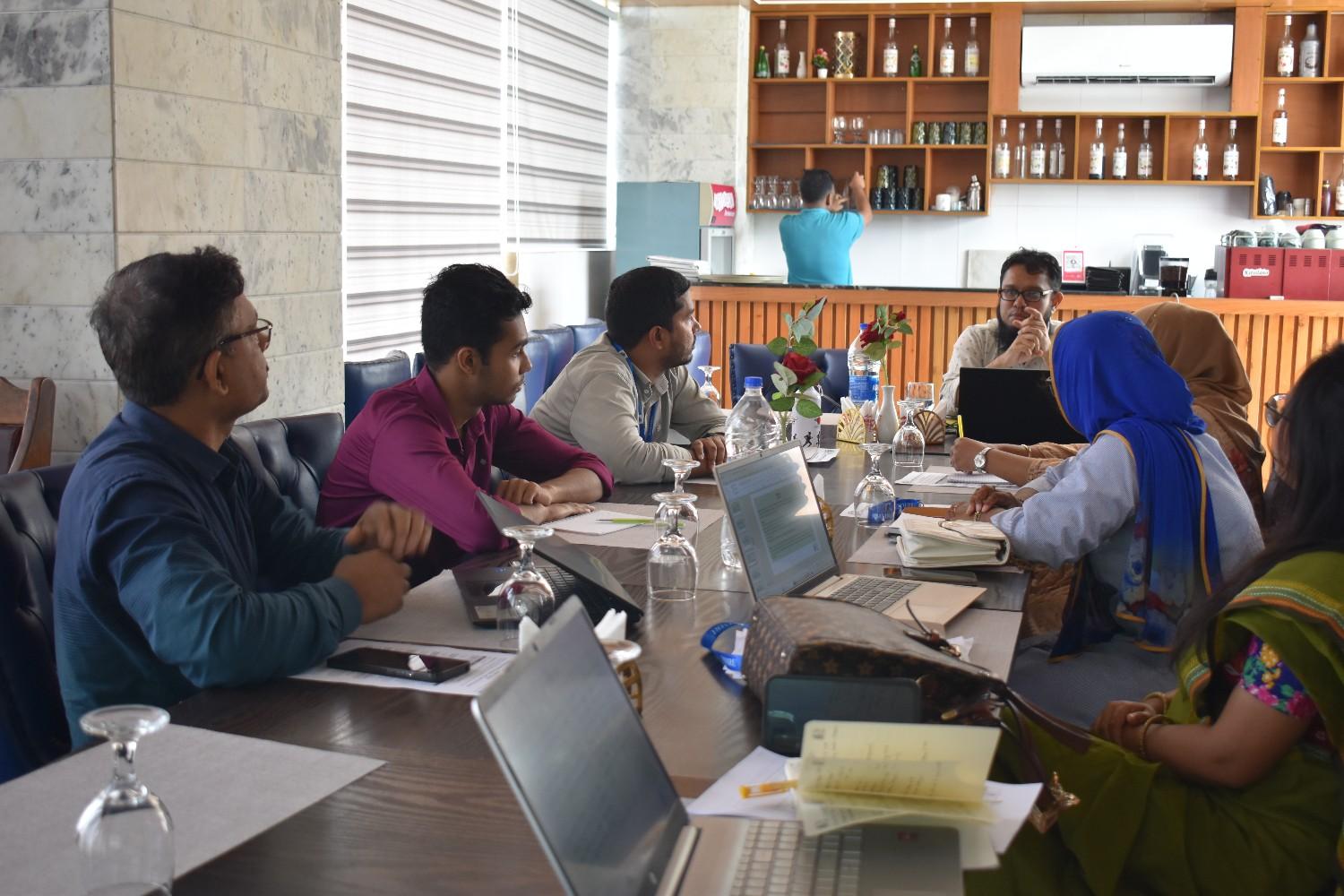
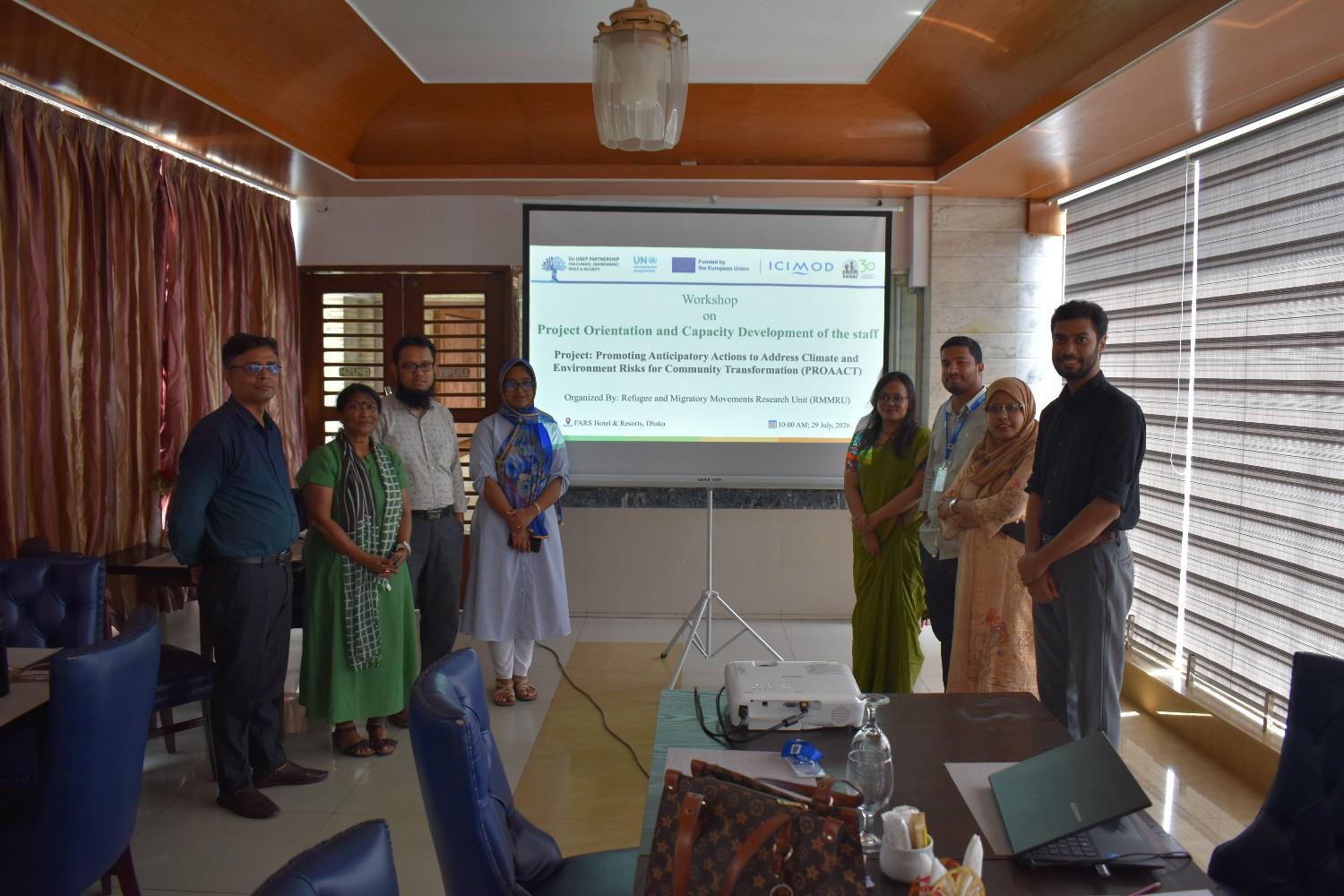
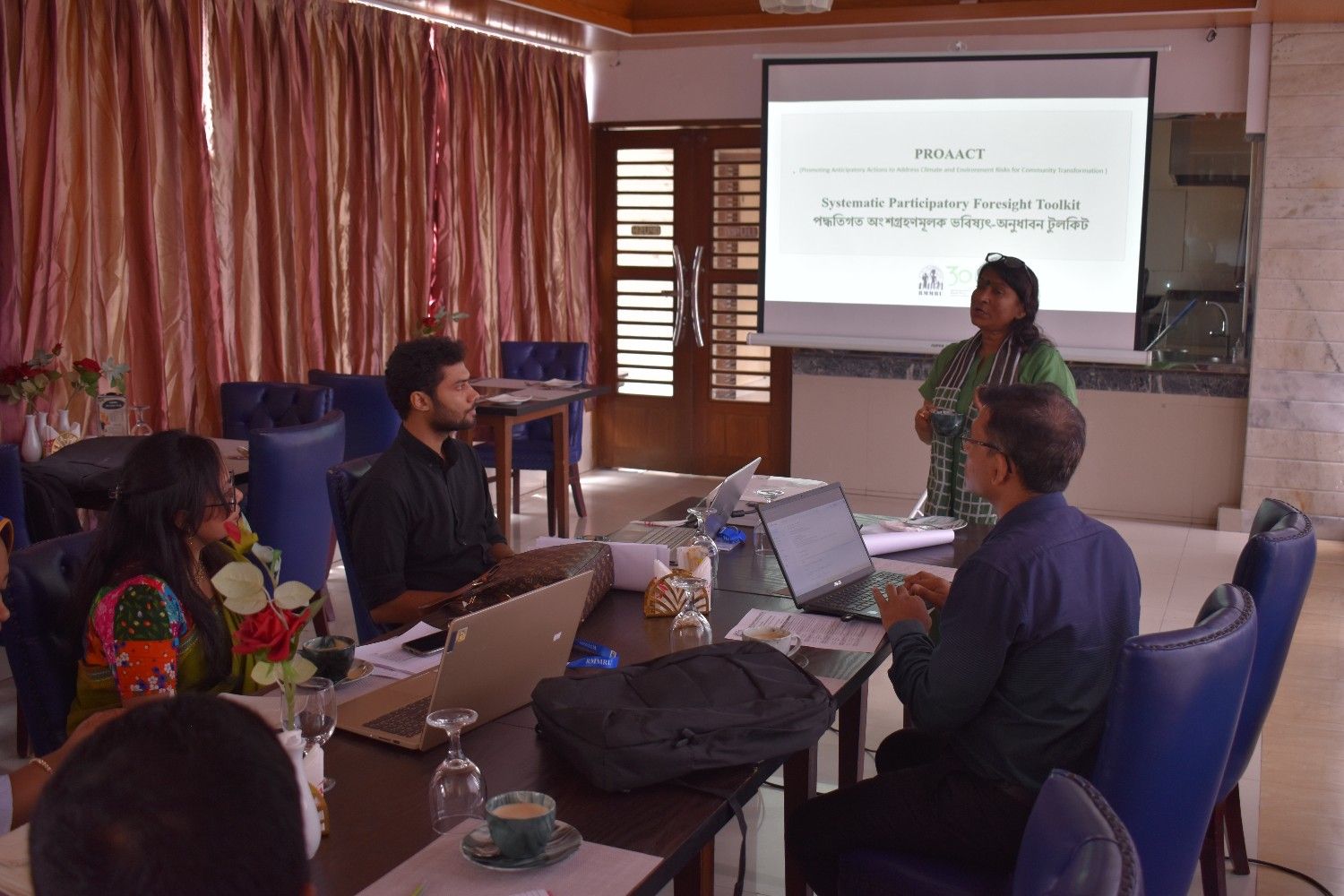
The Promoting Anticipatory Action to Address Climate and Environment Risks for Community Transformation (PROAACT) Project organized a day-long Staff Orientation and Capacity Development Workshop at Fars Hotel & Resort, Dhaka, on 29 July 2026.
The workshop brought together the full PROAACT project team, including the Project Manager, Technical Lead, Research Associate, Monitoring and Evaluation Officer, GESI Expert, Project and Administration Officer, Field Project Officer, and Field Facilitator, to strengthen their technical and operational readiness for project implementation.
The workshop provided a structured platform for introducing the project's vision, objectives, implementation framework, expected outcomes, and key deliverables. Through technical presentations, interactive discussions, and group exercises, participants enhanced their understanding of the Ganges River Basin context, the Systematic Participatory Foresight process, participatory foresight tools, qualitative assessment methods, Nature-based Solutions (NbS), Local Adaptation Plans (LAPs), and the integration of Gender Equality and Social Inclusion (GESI), Monitoring and Evaluation (M&E), safeguarding, and Conflict and Development Analysis (CDA) into field implementation.
The workshop strengthened coordination among project staff and established a common understanding of the project's methodological approaches and operational priorities. The discussions also informed preparations for the upcoming district inception meetings and field-level assessments, supporting the PROAACT Project's commitment to implementing participatory, inclusive, and anticipatory approaches to climate adaptation and community resilience.
Workshop for gathering input
on
Standardised planned relocation guideline for climate induced internally displaced population
Venue: Chitra Hall, Pan Pacific Sonargaon, Dhaka
Date: 7th July, 2026
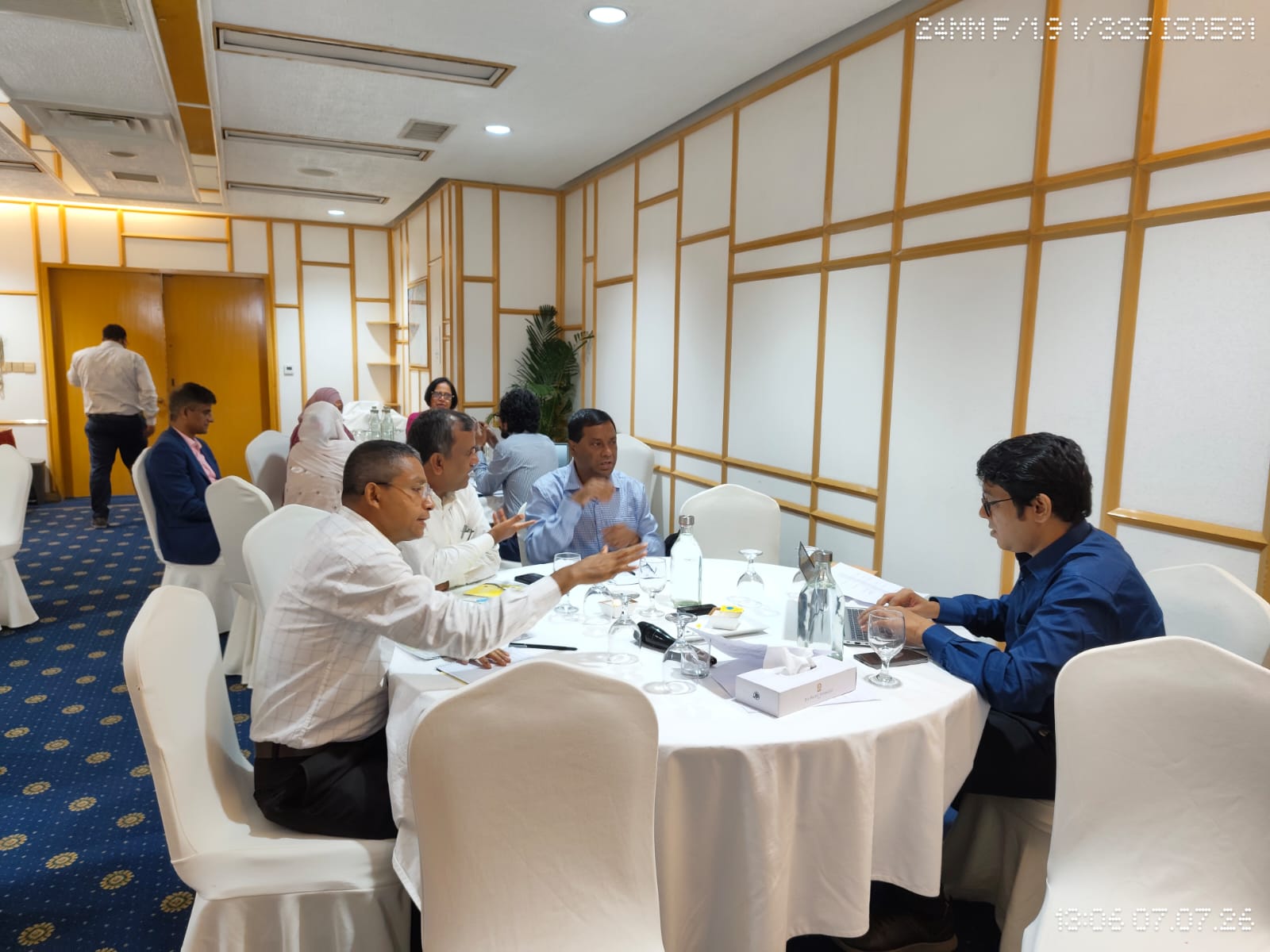
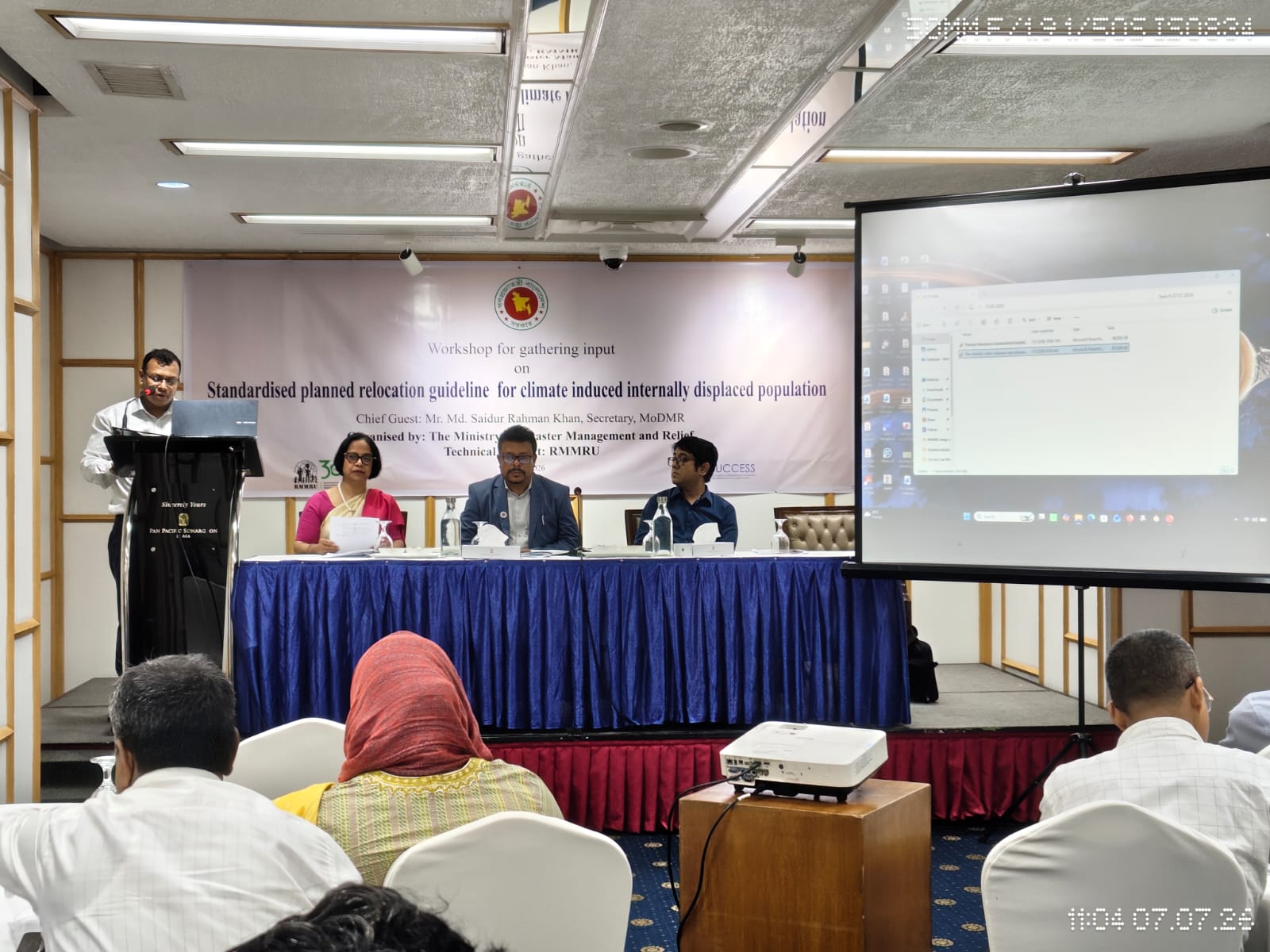
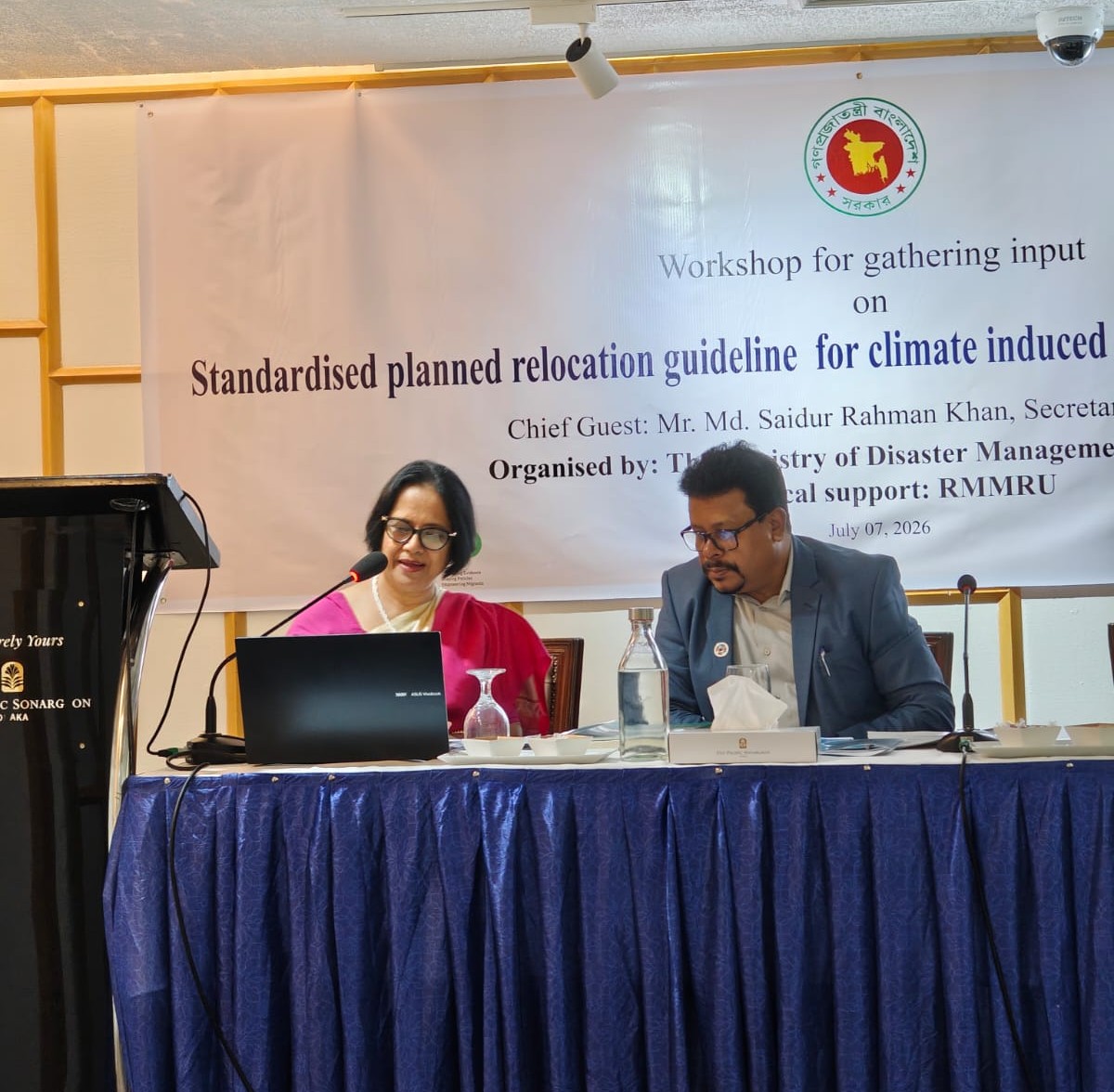
With the technical support of Refugee and Migratory Movements Research Unit (RMMRU), the Ministry of Disaster Management and Relief (MoDMR), Government of Bangladesh, successfully organized a workshop to gather inputs on the "Standardised Planned Relocation Guideline for Climate-Induced Internally Displaced Population" on 7 July 2026 at Pan Pacific Sonargaon, Dhaka.
Mr. Md. Saidur Rahman Khan, Secretary of the Ministry of Disaster Management and Relief (MoDMR), graced the event as the Chief Guest. In his remarks, he stated that, in line with Article 4.3 of the National Strategy on Internal Displacement Management in Bangladesh, the Ministry is developing a standardized planned relocation guideline.
Representatives from 19 ministries and government agencies participated in the workshop. Participants reflected on their experiences in implementing planned relocation programmes and identified eight key principles to guide the development of the guideline. These principles are participation, communication, accountability, integration, process, coordination, context, and resources.
Kabir Hossain, a resident of a planned relocation site in Banshkhali, expressed his appreciation for the government's provision of land and housing for climate-induced displaced people. However, he also highlighted several concerns, noting that the current relocation sites lack essential community facilities such as community spaces, graveyards, mosques etc. Another relocated resident, Md. Alin, shared that relocated families often face harassment from members of the host community when attempting to access these facilities.
Dr. Tasneem Siddiqui, Executive Director, RMMRU due to slow-onset climate change processes, nearly 20 million people are projected to be displaced in Bangladesh by 2050. She further noted that, in 2024 alone, approximately 2.4 million people were displaced by rapid-onset climate-related disasters. She stated that if durable solution is not planned now, then millions of peoples will be moving towards megacities.
Mr. Eekhtekharul Islam, Adjunct Research Fellow at RMMRU, presented the draft framework for developing the planned relocation guideline. The workshop was moderated by Dr. Md. Rashed Alam Bhuiyan, Department of Political Science, University of Dhaka.
Dissemination workshop
On
Adaptation Challenges of Climate-linked Migrants in Bangladesh and Locally-led Solutions
Venue: CIRDAP International Conference Center (Ground floor), 17, Topkhana Road, Dhaka
Date: 28th April, 2026
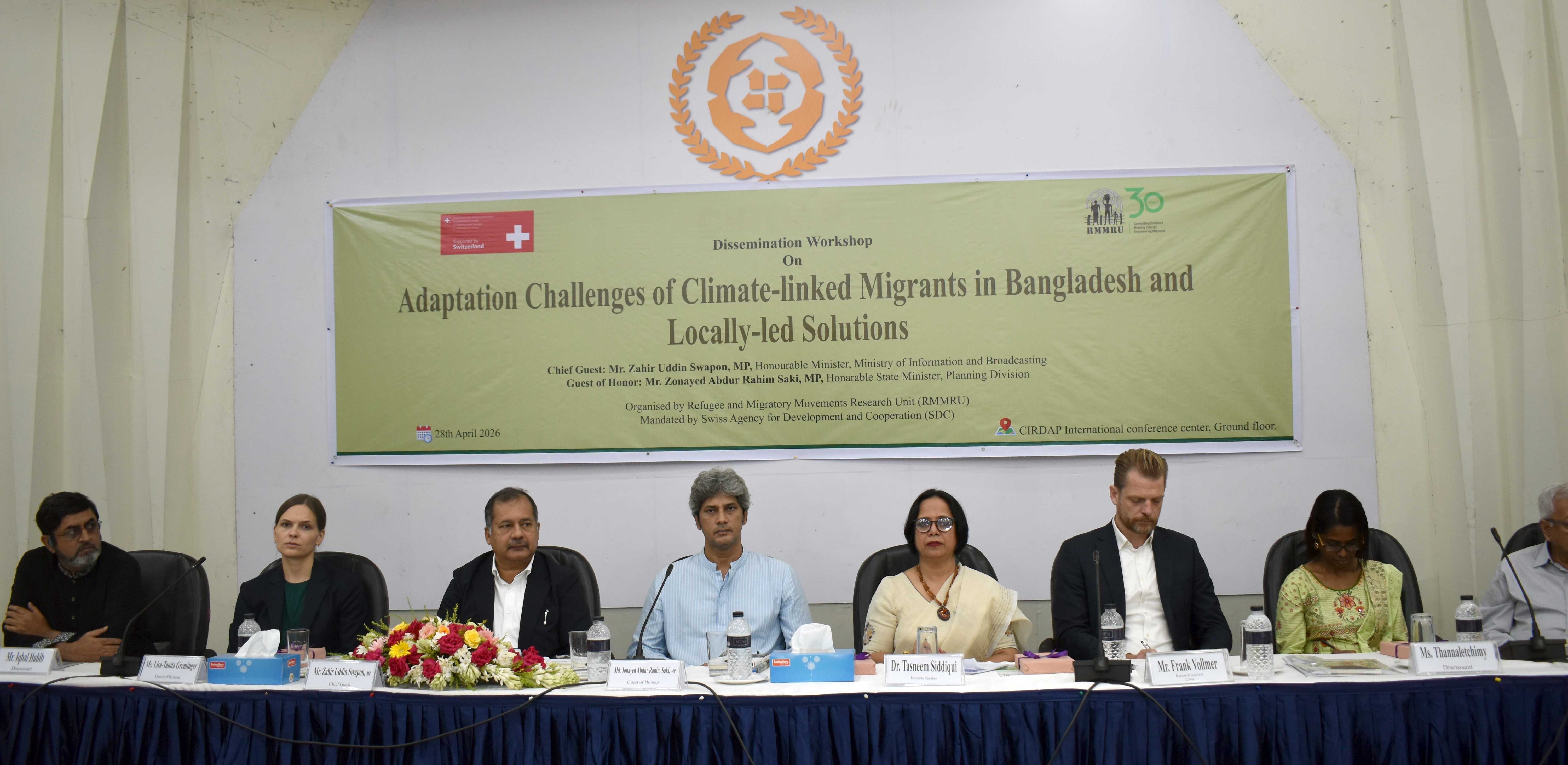
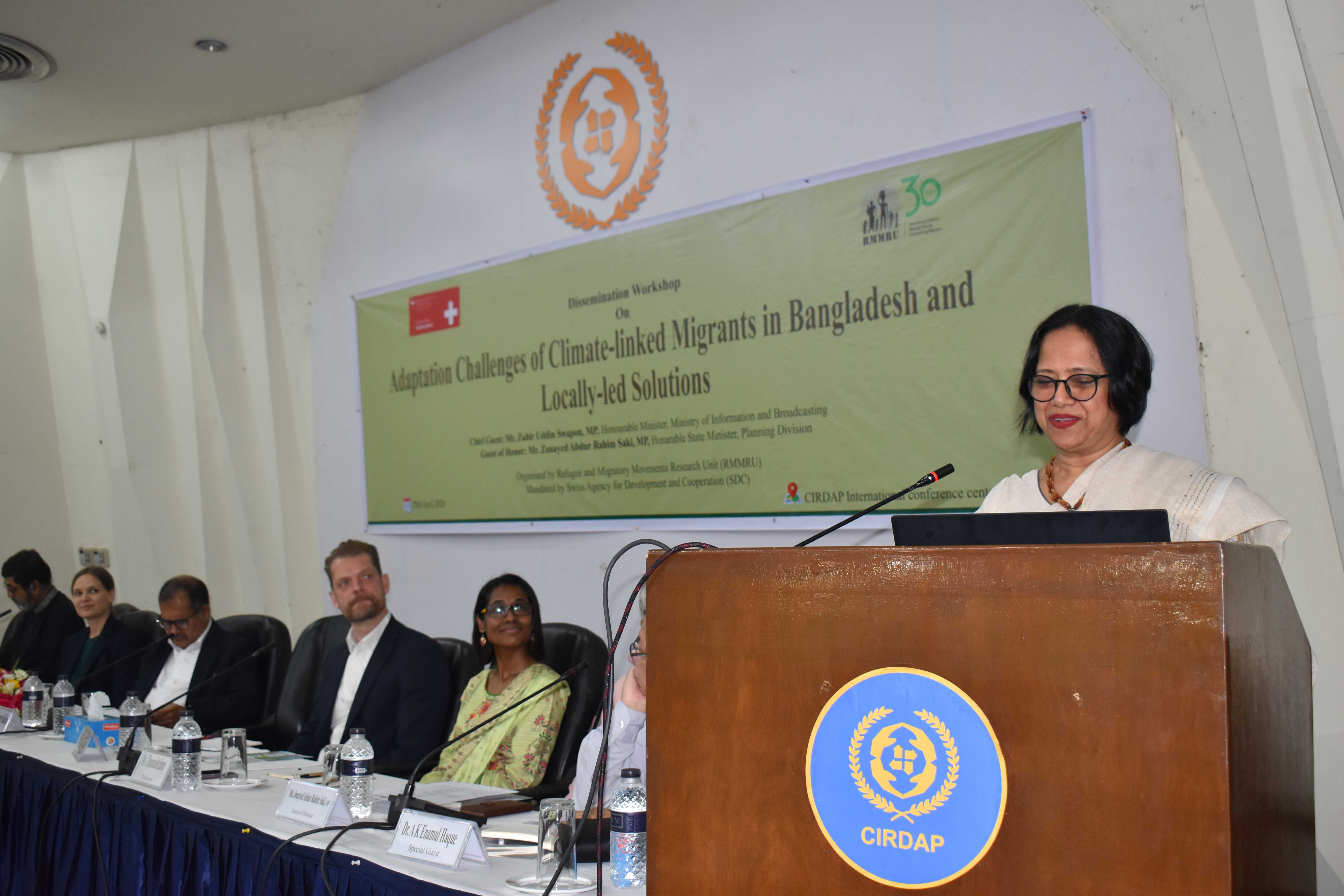
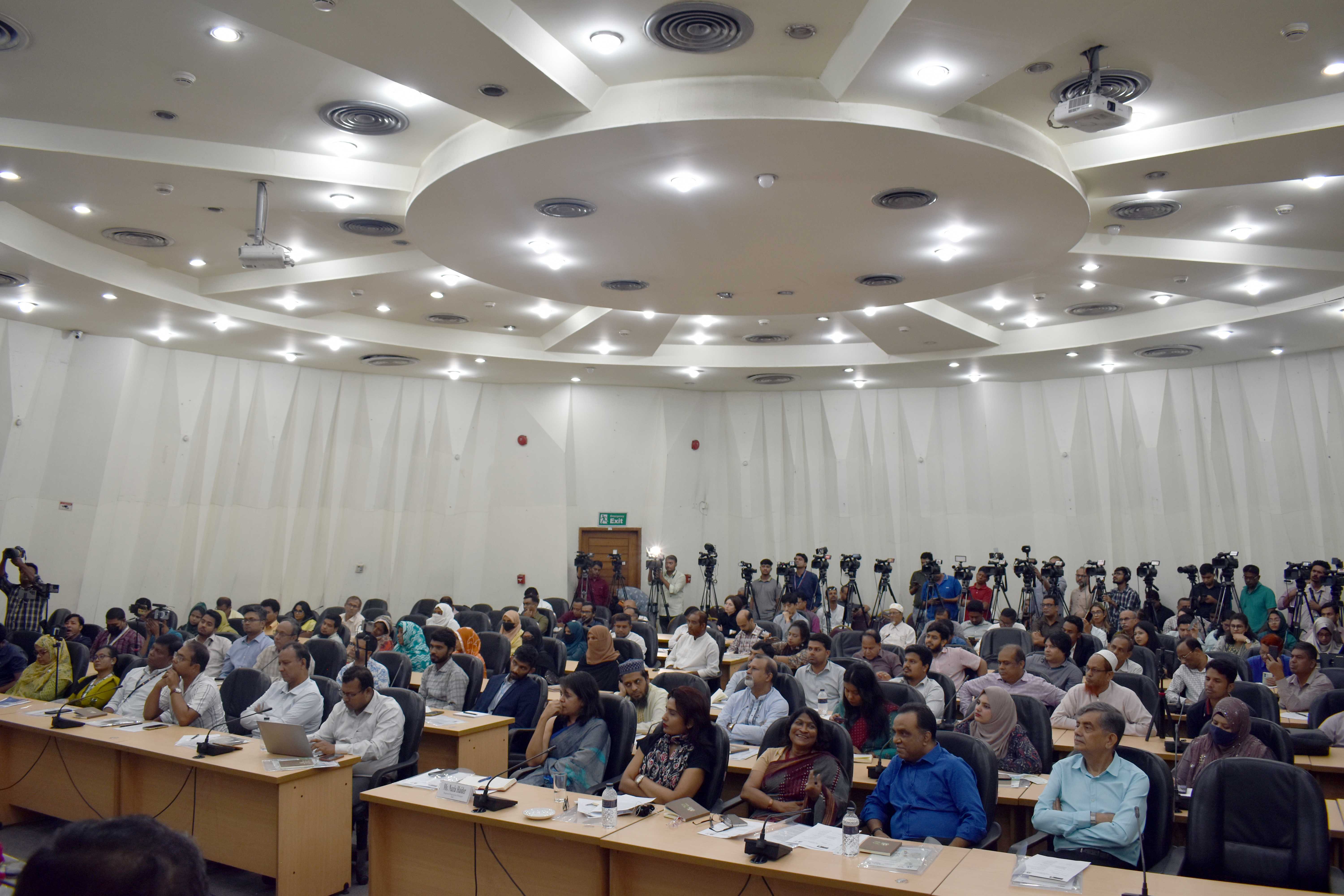
The Refugee and Migratory Movements Research Unit (RMMRU) successfully organized a dissemination workshop titled “Adaptation Challenges of Climate-Migrants in Bangladesh and Locally-led Solutions” on 28 April 2026 at the CIRDAP International Conference Centre, Dhaka.
Mr. Zahir Uddin Swapan, MP, Honourable Minister of the Ministry of Information and Broadcasting, graced the event as the Chief Guest. Mr. Md. Zonayed Abdur Rahim Saki, MP, Honourable State Minister of the Ministry of Planning, and Ms. Lisa-Tanita Greminger, Regional Advisor for Migration and Protection at the Embassy of Switzerland in Bangladesh, attended the workshop as Guests of Honour. Dr. A K Enamul Haque, Director General of the Bangladesh Institute of Development Studies (BIDS) also attended the workshop at the Special Guest. The event brought together representatives from various ministries and government departments, along with national and international non-governmental organizations (NGOs and INGOs), development partners, researchers, and members of civil society.
Dr. Tasneem Siddiqui presented the key finding of the research on the adaptation challenges of climate-induced migrants in the urban locations. The study shows that migrants earn more money in cities than in rural areas, and their income is more regular. It also finds that many more women are working in cities—more than three times compared to before. Dr. Siddiqui said that migration is not only happening in Dhaka and that policymakers need to take timely and proper action. She explained that many people move to Dhaka because industries in Khulna and other areas have closed. She also said that if industries are set up in districts and divisions, and regional growth centres are developed, people can earn money and live in their own areas instead of moving to Dhaka.
Information and Broadcasting Minister Mr. Zahir Uddin Swapon, MP emphasized that climate-induced migration should be recognized as a major public policy issue rather than merely a humanitarian crisis. Speaking at an RMMRU workshop at CIRDAP, he highlighted the need to integrate migration into development planning and noted that both environmental and political factors are driving migration. He reaffirmed the government’s commitment to addressing public challenges and stressed collective action to tackle climate change. The minister also urged stronger collaboration between the government, researchers, and civil society to reduce the suffering of migrants.
State Minister for Planning Zonayed Abdur Rahim Saki said that it is the government’s duty to protect the rights and dignity of its citizens. He also thanked RMMRU for its work in supporting displaced people.
Dr. A K Enamul Haque, Director General of the Bangladesh Institute of Development Studies (BIDS), said that many people are moving to cities because farmers do not want their children to continue farming.
Media Coverage: Print media
1. The Daily Prothom Alo: New climate migrants face major health and hygiene challenges: RMMRU study
2. The Daily Bonik Barta: Climate migration must be treated as policy priority: Swapon
3. The Daily-Sun: জলবায়ু সংকট মোকাবিলা অনিবার্য ও জরুরি: তথ্যমন্ত্রী
4. BSS News: Climate migration must be treated as policy priority: Swapon
5. BSS News BN: জলবায়ু অভিবাসীদের উন্নয়ন প্রক্রিয়ায় অন্তর্ভুক্তির আহ্বান তথ্যমন্ত্রীর
6. The Daily Bangladesh Protidin: জনগণের ম্যান্ডেট নিয়ে আসা পরিবর্তনগুলোর ব্যাপারে সরকার দৃঢ়প্রতিজ্ঞ : জোনায়েদ সাকি
7. The Daily Bangladesh Protidin: জলবায়ু সংকট মোকাবিলা অনিবার্য ও জরুরি: তথ্যমন্ত্রী
8. The Daily Sokaler Somoy: জলবায়ু অভিবাসনকে দয়া নয়, জননীতির অংশ হিসেবে দেখতে হবে: তথ্যমন্ত্রী
9. The Daily Apandesh: ‘মাইগ্রেশন শুধু অর্থনৈতিক বা পরিবেশগত নয়, রাজনৈতিক সমস্যাও’
10. Dhaka Tribune: Information minister: Climate migration must be treated as policy priority
11. Newsg24: ‘জলবায়ু অভিবাসনকে দয়া নয়, জননীতির অংশ হিসেবে দেখতে হবে’
12. The Daily Naya Diganta: জলবায়ু অভিবাসীদের উন্নয়ন প্রক্রিয়ায় অন্তর্ভুক্ত করতে হবে: তথ্যমন্ত্রী
13. newsbangla24: জলবায়ু অভিবাসীদের উন্নয়ন প্রক্রিয়ায় অন্তর্ভুক্তির আহ্বান তথ্যমন্ত্রীর
14. jagonews24: জলবায়ুজনিত অভিবাসন জননীতির একটি গুরুত্বপূর্ণ বিষয়: তথ্যমন্ত্রী
Media Coverage: Television
1. Star News: বাজেটে শিক্ষা ও কর্মসংস্থানকে সর্বোচ্চ গুরুত্ব দিচ্ছে সরকার: জোনায়েদ সাকি
2. Somoy TV: জলবায়ু পরিবর্তন মোকাবিলায় নানাবিধ পদক্ষেপ নিচ্ছে সরকার, জানালেন প্রতিমন্ত্রী
3. Ekattor Tv: 'রাজনৈতিক সীমাবদ্ধতায় থমকে আছে জলবায়ু অভিবাসীদের উন্নয়ন ও সম্ভাবনা'
4. ATN Bangla News: বর্তমান সরকার সমাজ, রাজনীতি ও রাষ্ট্রের বিভিন্ন সমস্যা চিহ্নিত করেছে
5. Independent TV: জলবায়ু অভিবাসনে ২০৫০ সালে ২ কোটি বাংলাদেশি স্থানচ্যুত হতে পারে
Workshop on Systematic Participatory Foresight Process
Organized by: RMMRU
Venue: Hotel The Peninsula Chittagong, Chattogram.
Date: 31 March 2026
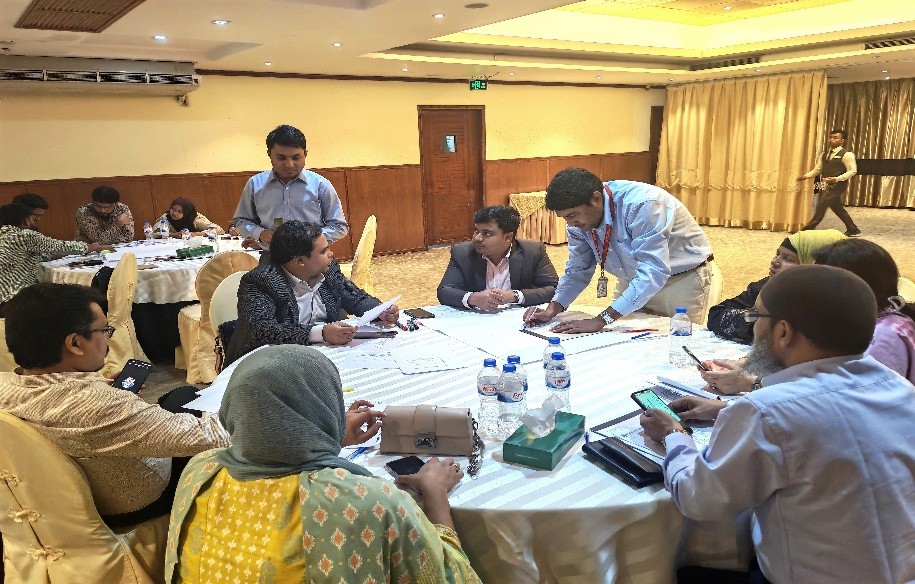
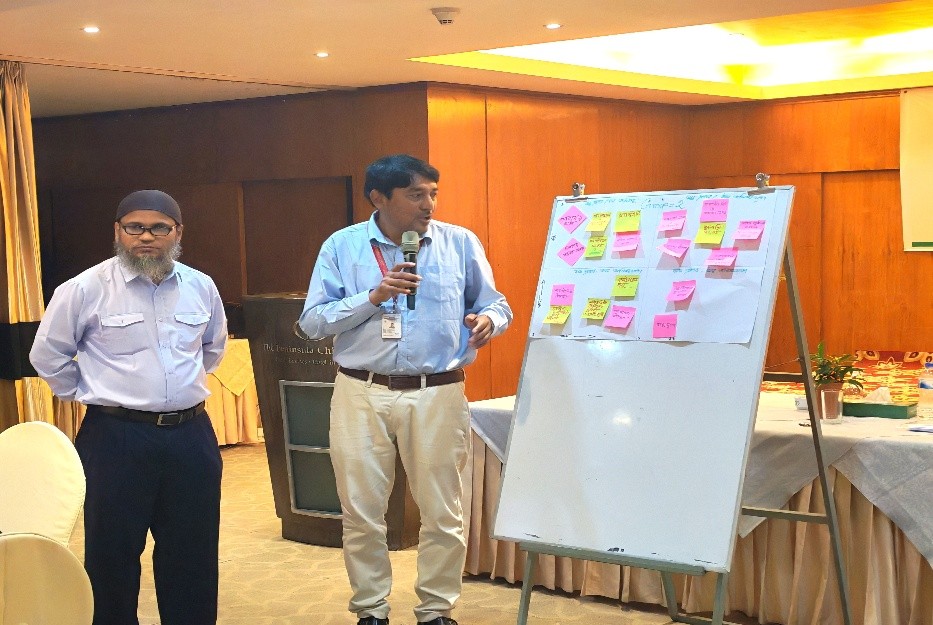
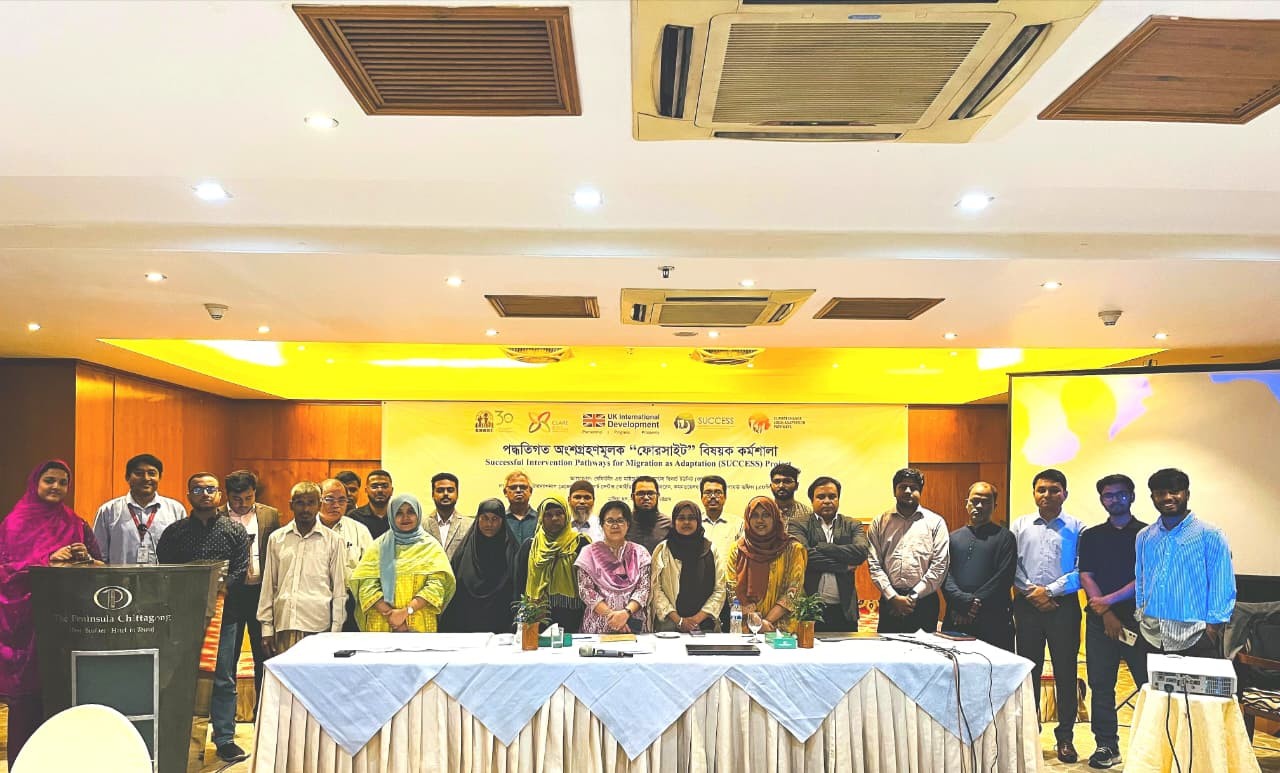
The Successful Intervention Pathways for Migration as Adaptation (SUCCESS) Project organized its first Systematic Participatory Foresight Workshop in Chattogram on 31 March 2026.
The workshop brought together approximately 25 participants, including representatives from Chattogram City Corporation, Chittagong Development Authority (CDA), University of Chittagong, Premier University, Department of Women Affairs, District Social Services Office, District Relief and Rehabilitation Office, Probashi Kallyan Bank, Chattogram Women Technical Training Centre, Caritas, YPSA, Coast Foundation, volunteers, journalists, and migrants residing in Chattogram.
The workshop provided a structured platform for multi-stakeholder dialogue on the current drivers and dynamics of migration, the roles of key actors and stakeholders, and the future risks and emerging trends shaping mobility in Chattogram. Through evidence-informed discussions and participatory foresight tools, including system mapping, the identification of drivers of change, and the prioritization of key uncertainties, participants developed a shared and locally grounded understanding of migration as an adaptation pathway.
The event generated actionable insights into the current migration context in Chattogram City and helped identify priorities for stakeholder coordination and policy engagement on migration and adaptation.
Workshop on Systematic Participatory Foresight Process
Organized by: RMMRU
Venue: Officers’ Club Hallroom, Banshkhali Sadar Upazila, Chattogram.
Date: 30 March 2026
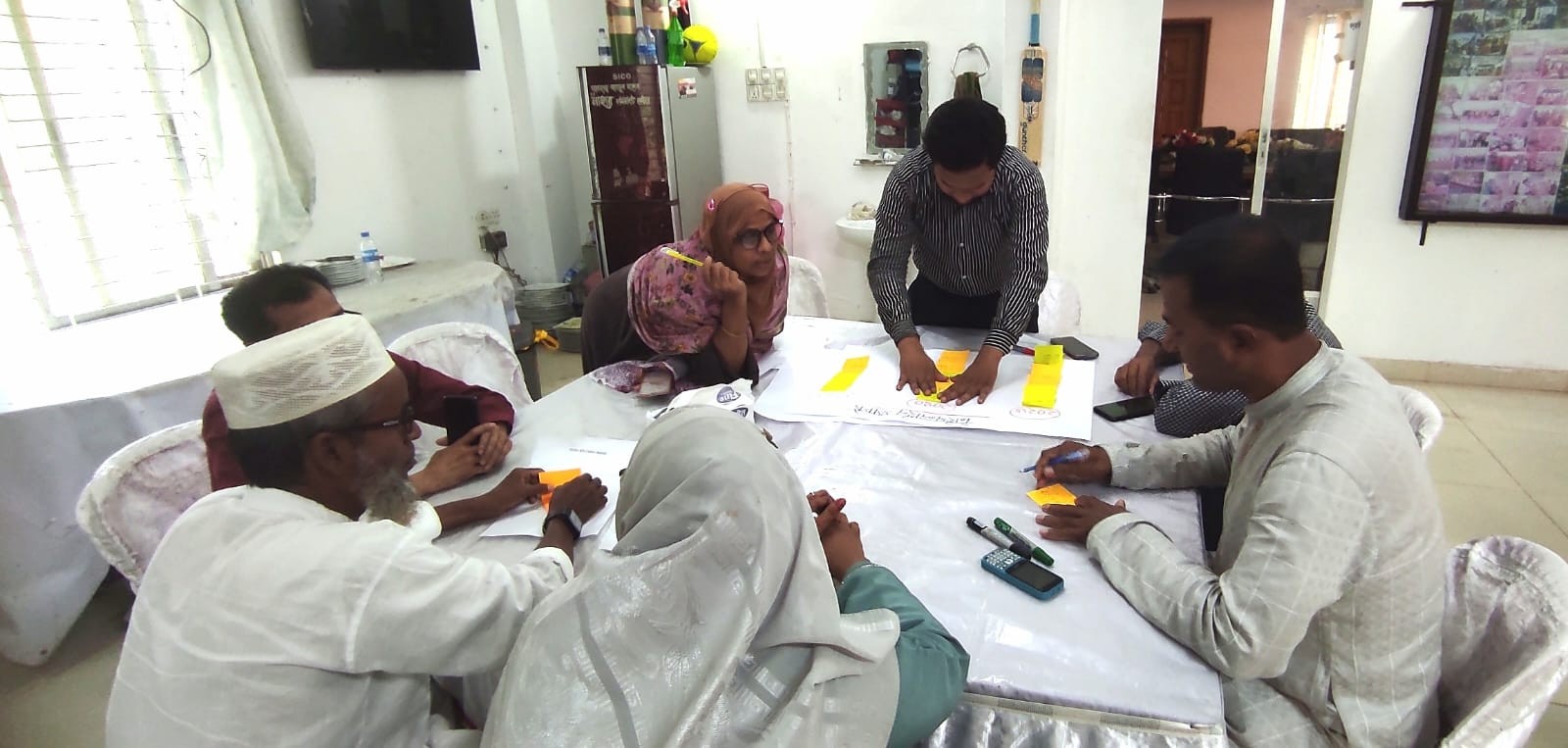
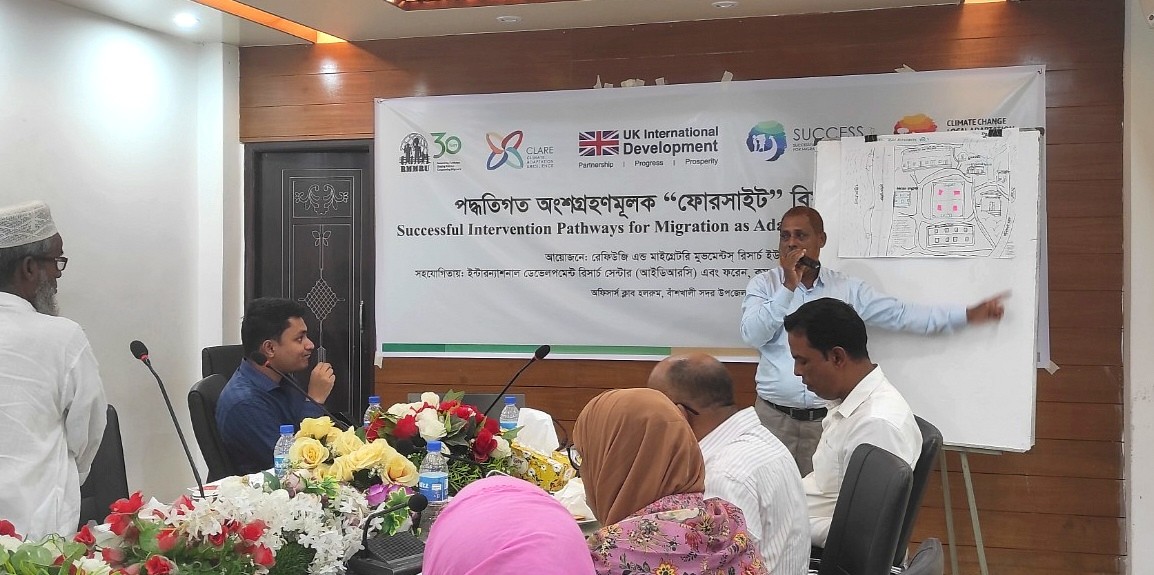
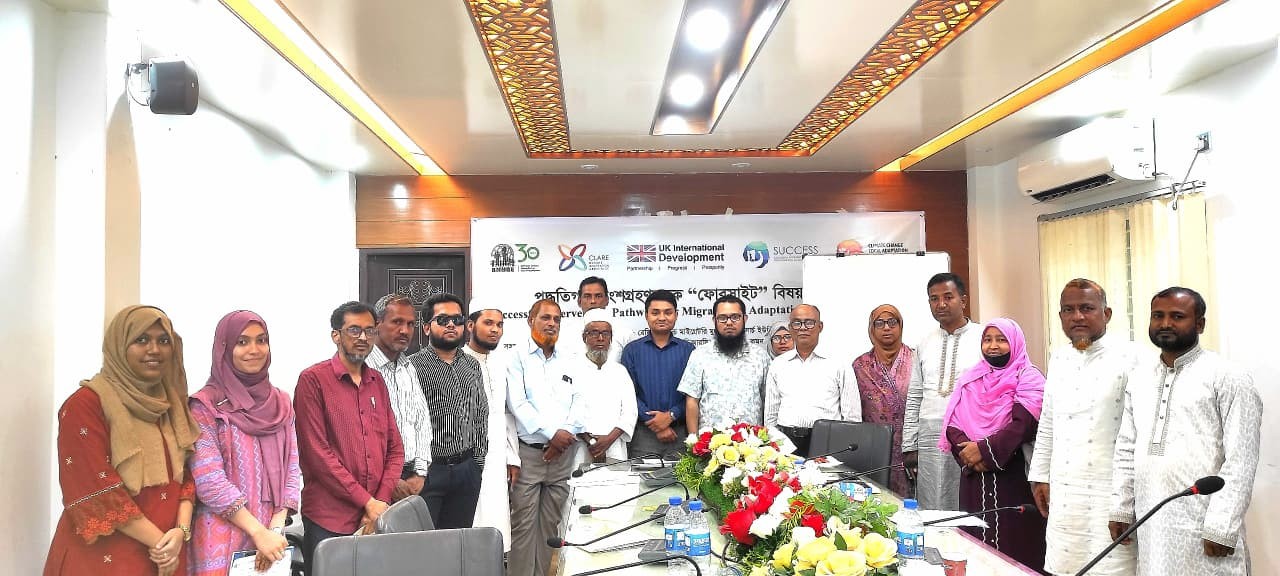
The Successful Intervention Pathways for Migration as Adaptation (SUCCESS) Project convened its second Participatory Foresight Workshop in Banshkhali Sadar Upazila, Chattogram, on 30 March 2026.
The workshop brought together approximately 20 participants, including representatives from the Upazila Administration, Upazila Fisheries Office, Upazila Youth Development Office, Upazila Rural Development Office, Upazila Women Affairs Office, Khankhanabad Union Parishad, civil society organizations (CSOs), NGOs, teachers, youth leaders, volunteers, and community members with lived migration experience, including seasonal and return migrants.
The workshop provided a structured multi-stakeholder platform for examining future risks, emerging trends, and plausible scenarios likely to influence migration decisions and local adaptation pathways in Khankhanabad Union under Banshkhali Upazila. Through the use of participatory foresight tools and evidence-informed discussions, participants reflected on the implications of climate-related mobility, local vulnerabilities, and potential opportunities for adaptive planning. The process enabled diverse stakeholders to jointly explore how future uncertainties may shape migration as an adaptation strategy and to identify locally relevant response options.
The workshop generated important insights to inform future planning and programming on migration and adaptation at the local level. Its outcomes will support the SUCCESS Project’s ongoing efforts to promote forward-looking and inclusive approaches to migration as adaptation. These outcomes will also help inform the third workshop, which may be held in Banshkhali.
Press Conference on
The Patterns and Trends of Labour Migration from Bangladesh in 2025: Achievements and Challenges
Supported by: SIMS project, Helvetas Bangladesh
Date: 7 January 2026
Venue: National Press Club, Dhaka
Refugee and Migratory Movements Research Unit (RMMRU) organised a press conference at the National Press Club, Dhaka, to launch its annual research report titled “The Patterns and Trends of Labour Migration from Bangladesh in 2025: Achievements and Challenges”. The report presents a comprehensive analysis of Bangladesh’s international labour migration scenario in 2025. It highlighting key trends, major developments, roles of service providing institutions, legal and policy changes, migrant protection in the light of international law, and a set of policy recommendations. The event was graced by renowned photographer and writer Dr. Shahidul Alam as the chief guest. The keynote presentation of the report was delivered by Dr. Tasneem Siddiqui, Acting Executive Director of RMMRU. The event was attended by 97 journalists and received significant media coverage from 32 newspapers and 13 television channels.
In his speech, Dr. Shahidul Alam emphasised that migrants should not be viewed merely as numbers but as human beings. He noted that although the government earns significant revenue from migrants, there are still inadequate initiatives to make their lives easier, which contradicts the vision of a discrimination-free society. He also criticised the continued reliance on postal ballots for migrant voting, stating that it is not compatible with the realities of the digital era.
Presenting the key findings, Dr. Tasneem Siddiqui stated that compared to 2024, overseas labour migration from Bangladesh increased by around 12 percent in 2025. A total of 62,317 women workers migrated abroad in 2025, representing about 5.5 percent of total migrants. However, compared to 2022, women’s migration declined. In terms of destinations, nearly 90 percent of Bangladeshi migrants went to only five countries, with 67 percent (754,369 persons) migrating to Saudi Arabia alone. Remittance inflow showed a significant improvement in 2025, reaching USD 32.82 billion.
The report also highlighted that for the first time in 2025, initiatives were taken to enable Bangladeshi migrants to vote from abroad. By 31 December 2025, a total of 1,118,344 migrants had registered for postal voting. However, the allocation for the Ministry of Expatriates’ Welfare and Overseas Employment was reduced to BDT 855 crore from BDT 1,140 crore in the previous fiscal year. Despite the White Paper on the Economy recommending an increase of budget allocation for the migration sector from 0.08 percent to 1 percent.
The event was also attended by Marina Sultana, Programme Director, RMMRU; Rabeya Nasrin, Project Manager; Parvez Alam, Senior IT and Communication Officer; Mahmudul Hasan, Legal Officer; and Dr. Mohammad Rashed Alam, Faculty Member, University of Dhaka.
Media Coverage:
- The Daily Prothomalo: গত বছর যত কর্মী বিদেশে গেছেন, তার ৯০ শতাংশ গেছেন ৫ দেশে: রামরু
- The Daily Star: Labour migration up 12% despite challenges
- UNB: Bangladesh’s overseas labour migration up 12pc in 2025: RMMRU
- The Daily kalerkantho: নারী অভিবাসন উদ্বেগজনক হারে কমছে : রামরু
- BBS News: আন্তর্জাতিক শ্রম অভিবাসনের গতি-প্রকৃতি, অর্জন ও চ্যালেঞ্জ বিষয়ে প্রতিবেদন রামরুর
- The Daily Newage: Labour migration became complex in 2025: RMMRU
- The Daily Financial Express: Migration from Bangladesh on rise amid poor govt support -Says Refugee and Migratory Movements Research Unit
- The Daily Banglatribune: নারী অভিবাসন উদ্বেগজনক হারে কমছে
- Ekhon TV: আন্তর্জাতিক শ্রম অভিবাসনের গতি-প্রকৃতি, অর্জন ও চ্যালেঞ্জ বিষয়ে প্রতিবেদন রামরুর
- The Daily Desh Rupantor: ৯০ ভাগ বাংলাদেশি কর্মী মাত্র ৫টি দেশে অভিবাসিত
- The Daily Inqilab: বিদেশের শ্রমবাজারে কর্মসংস্থান বেড়েছে ১২ শতাংশ
- The Daily Observer: 10 new conditions slapped on Malaysia migration Stakeholders fear syndicates may reign again
- Jagonews24.com: মোট অভিবাসীর ৬৭ শতাংশই সৌদি আরবে: রামরু
- The Daily-Sun: Too many recruiting agencies, too little oversight: Report
- The Daily Destiny: পোস্টাল ব্যালটে আমি হতাশ হয়েছি : শহীদুল আলম
- The Business Standard: Airport harassment has reduced, but challenges remain: RMMRU director
- The Finance Today: BD’s overseas labour migration up 12pc in 2025: RMMRU
- The Banker bd: বাংলাদেশ থেকে আন্তর্জাতিক শ্রম অভিবাসন বেড়েছে ১২ শতাংশ: রামরু
- The Bangladesh Post: Bangladesh sees 12pc rise in overseas labour migration in 2025: RMMRU
- The Daily Jaijaidin: বিদেশে অবস্থানরত অভিবাসী বাংলাদেশিদের ভোট দেওয়ার সুযোগ ইতিবাচক : রামরু
- The Business Standard: Recruiting agency mushrooming amid shrinking migration market
Television
- Jamuna TV: বিদেশগামী কর্মীদের দক্ষতার উন্নয়নে সরকারের বাজেট বরাদ্দ হতাশাজনক
- Channel 24: রিক্রুটিং লাইসেন্সের সংখ্যা কমানোর দাবি রামরুর
- Star News: আন্তর্জাতিক শ্রম অভিবাসন ২০২৫ আয়োজনে কথা বলছেন আলোকচিত্রী শহিদুল আলম
- Independent TV: প্রবাসী শ্রমিকদের সঙ্গে খারাপ ব্যবহার, দূর্নীতির অভিযোগ বাংলাদেশের অ্যাম্বেসিগুলোতে
- Ekhon TV: অভিবাসন সংক্রান্ত রামরুর বার্ষিক পরিসংখ্যান প্রকাশ
- Somoy TV: অস্বাভাবিক হারে বাড়ছে রিক্রুটিং এজেন্সির সংখ্যা